Blog

  • What to Feed Backyard Birds: A Species-by-Species Guide

    The Quick Version

    The five foods that cover almost every backyard bird species are black oil sunflower seeds, white proso millet, unsalted peanuts, suet cakes, and nyjer seed. Start with sunflower seeds if you only buy one thing. Most species eat them, and a simple mixed blend from Costco or Walmart will bring more birds to your yard than any single specialty food.

    Quickest win: Scatter a handful of mixed seed on the ground near bushes or trees today. You do not need a feeder to get started.

    When I first put out bird food, I bought one generic bag of mixed seed, scattered some on the porch railing, and called it done. Birds came. I was happy. But after a few weeks of watching closely, I started noticing patterns. Certain birds would pick through the mix and toss half of it on the ground. Others barely touched the feeder at all. A few species I was hoping to see never showed up.

    That is when I started paying attention to what each bird actually wanted rather than what I happened to put out. The difference was immediate and significant. More species, more activity, and far less waste.

    We live on a busy suburban road, not exactly the setting you would imagine for a thriving backyard bird habitat. And yet simply by learning what each species prefers and staying consistent, we now regularly attract cardinals, blue jays, juncos, five species of woodpecker, nuthatches, chickadees, catbirds, Carolina wrens, goldfinches, pine siskins, rose-breasted grosbeaks, eastern towhees, titmice, mourning doves, and occasional hummingbirds in season. All in a modest suburban yard.

    This guide covers what we have learned from years of daily feeding. The species listed here are common across much of the eastern United States, with a particular focus on the Northeast and mid-Atlantic where we garden and feed. Species vary by region, but the feeding principles apply everywhere.

    If you are just getting started and want the full picture on attracting birds to your yard, our beginner’s guide to how to start bird watching from home covers everything from feeder setup to the best ID apps.


    How We Started: A Window Sill and Some Peanuts

    The honest origin of our entire feeding setup was a handful of peanuts and sunflower seeds placed on the window sill one winter. That was it. No feeder, no pole, no planning. Within a day or two we had customers. Chickadees, a cardinal, a titmouse. They found it faster than seemed possible.

    As nuts in the cupboard crept past their best-by date, those went out on the sill too. The birds did not mind. We kept refilling, they kept returning, and something that started as casual curiosity became a daily routine we looked forward to.

    We still do the window sill. The regulars know it is there and check it every morning. But over time the setup grew. We added a pole feeder with a squirrel baffle and four feeding stations: two platform feeders, a suet cage, and a tube feeder. Then a second pole with a small platform feeder that we rotate seasonally between nyjer, suet, and a hummingbird nectar feeder depending on the time of year.

    In a normal spring we go through about 40 pounds of seed every six to eight weeks. This past winter was brutal weather-wise, and we went through 500 pounds. The birds needed it and we kept filling.

    All of it started with a window sill. If you are not ready for a full feeder setup yet, that is genuinely enough to begin.

    Window sill tip: Use no-mess or waste-free seed blends on a sill so birds eat the whole kernel rather than dropping shells. Sunflower chips and shelled peanuts work best. They are slightly more expensive but keep the sill clean and reduce waste significantly.

    Nearly all of the most common backyard species, including juncos, mourning doves, sparrows, cardinals, and blue jays, are ground feeders by nature. Scattering a handful of mixed seed directly on the ground in front of bushes or trees works just as well as a feeder, especially in the first few days when birds have not yet discovered your setup.

    A basic mixed blend from Costco or Walmart is a genuinely good starting point. These blends typically include sunflower seeds, millet, and cracked corn, which between them cover the preferences of most common backyard species. Once you know who is visiting regularly, you can start tailoring what you put out.

    For a regional perspective on species common to the mid-Atlantic and Northeast, the Maryland DNR Wild Acres program maintains a practical feeding guide worth bookmarking.

    On consistency: The single most important factor in attracting a variety of birds is not what you put out but how reliably you put it out. Birds learn your yard’s schedule quickly. Once they know food appears at the same times every day, they build your feeder into their daily route. Miss a few days and it can take a week to rebuild that traffic.

    What to Feed Backyard Birds: By Species

    Once you know which birds are visiting regularly, feeding them well becomes surprisingly straightforward. Most species have clear preferences and once you match the food to the bird, waste drops significantly and activity increases.

    Here is what we have learned from years of watching our own yard.

    Northern Cardinal

    Cardinals are the most reliably present bird at our feeders and the most searched backyard species in the country for good reason. They are year-round residents, they are visually stunning, and once they find your yard they rarely leave.

    Their top foods are shelled peanuts and black oil sunflower seeds. Safflower seed is another strong favorite and has a useful side benefit: squirrels tend to dislike it, which means a safflower-filled feeder stays full longer. Cardinals prefer a platform or tray feeder where they can sit comfortably, though they will also feed on the ground.

    One observation worth sharing: cardinals visit our feeders twice a day almost without exception, once very early in the morning and again in the late afternoon before dark. If you are not seeing them, try watching during those windows specifically.

    Best foods: Black oil sunflower seeds, shelled peanuts, safflower seed
    Feeder type: Platform or tray feeder, or ground feeding

    Blue Jay

    Blue jays are loud, bold, and absolutely obsessed with peanuts. Both shelled and in-shell work, though in-shell peanuts bring out a behavior that is genuinely entertaining to watch: they will grab as many as they can fit in their throat pouch, fly off, and bury them nearby for later. A single jay can cache dozens of peanuts in a single morning.

    If you are consistent with peanuts, blue jays will become remarkably comfortable around you over time. They are one of the few backyard species that seems to genuinely recognize individual people. Keep showing up with peanuts and they will keep showing up for you.

    Blue jays are too heavy for standard tube feeders, so a platform feeder or ground feeding works best. They will also eat sunflower seeds, corn, and acorns when peanuts are not available.

    Best foods: Unsalted peanuts (in-shell or shelled), sunflower seeds, corn
    Feeder type: Platform feeder or ground feeding

    Dark-Eyed Junco

    Juncos are cold-weather visitors in the mid-Atlantic, arriving in late fall and departing at the first sign of spring. They are almost exclusively ground feeders and they are almost exclusively interested in millet.

    Scatter white proso millet directly on the ground near your other feeders and juncos will find it within a day or two of arriving for the season. They tend to feed in small flocks, which makes them particularly satisfying to watch on a quiet winter morning.

    Their departure in early spring is one of the more reliable seasonal markers in the yard. When the juncos leave, the robins and catbirds are not far behind.

    Best foods: White proso millet
    Feeder type: Ground feeding or low platform

    Mourning Dove

    Mourning doves are among the easiest birds to feed because they will eat almost anything they can physically swallow. Millet, sunflower seeds, safflower, cracked corn — they are not fussy. They are also ground feeders by strong preference and too heavy to use most tube feeders comfortably.

    Doves tend to feed in pairs or small groups and have a slow, gentle presence that is calming to watch. They are among the most consistent visitors at our platform feeder and on the ground below it.

    Best foods: White proso millet, sunflower seeds, safflower, cracked corn
    Feeder type: Ground feeding or platform feeder

    House Sparrow and American Goldfinch

    Sparrows and finches share a love of millet, which makes a mixed blend effective for both. Finches go further though: they are the primary consumers of nyjer seed and sunflower chips, and a nyjer sock hung during late winter through summer will draw goldfinches specifically and reliably.

    American goldfinches are one of the more dramatic seasonal visitors in the mid-Atlantic. They arrive in their bright yellow breeding plumage in spring and are genuinely striking at a nyjer feeder. If you put one out and see nothing for the first week or two, be patient. Finches take longer than most species to discover a new food source but once they do, they return daily.

    Best foods: White proso millet, nyjer seed, sunflower chips
    Feeder type: Tube feeder or nyjer sock

    Tufted Titmouse

    Titmice favor safflower seeds and sunflower seeds and have a characteristic feeding habit worth watching for: they grab a single seed, fly to a nearby branch, crack it open, eat it, and return. Repeat all morning. They are quick, neat, and oddly methodical about it.

    Titmice are year-round residents and are among the first birds to find a new feeder. They also cache food like blue jays, storing seeds in bark crevices and under leaves for later use. One thing that never stops being amusing: a tufted titmouse can and will pick up a whole peanut in the shell and fly off with it in its beak. For a bird that small it looks genuinely improbable. Put out in-shell peanuts and watch it happen.

    Best foods: Safflower seed, black oil sunflower seeds, shelled peanuts, in-shell peanuts
    Feeder type: Tube feeder or platform feeder

    Woodpeckers and Nuthatches

    We have five woodpecker species visiting regularly: Downy, Hairy, Red-Bellied, Northern Flicker, and Pileated. All of them love the same two things: peanuts and suet. The food is consistent across species even though the birds vary considerably in size from the small Downy to the crow-sized Pileated.

    A few individual notes worth sharing. The Red-Bellied Woodpecker is bold enough to come directly to our window sill for peanuts, which never stops being a thrill. The Northern Flicker is more of a ground feeder than most woodpecker species and will work through suet and peanuts scattered low as readily as at a mounted feeder. The Pileated is the largest and most dramatic visitor you are likely to get and it will work a suet cage with real commitment.

    We specifically recommend an upside-down suet cage. Woodpeckers and nuthatches feed from below with no difficulty and most other birds find the position awkward, so the suet stays where it belongs. One thing we have noticed: blue jays and woodpeckers often arrive together when peanuts are out, moving between spots as if working the same circuit. Whether that is learned behavior or coincidence is hard to say but it happens consistently enough to be worth watching for.

    Hang the suet cage on a tree trunk or wooden post rather than a metal pole when you can. They seem to prefer the feel of natural bark nearby.

    Best foods: Suet cakes, unsalted peanuts (shelled and in-shell), sunflower seeds
    Feeder type: Upside-down suet cage, platform feeder, window sill

    Carolina Wren

    Carolina wrens are small, loud, and one of the most endearing birds you will ever have in your yard. Their song is disproportionately large for their size and they are remarkably bold for such a tiny bird.

    Put out dried mealworms on a low platform or window sill and they will find them quickly. Shelled peanuts are another favorite that surprises most people. They will carry one off and return almost immediately for another. The real reward comes in spring and summer. If you are consistent and wrens are nesting nearby, they will begin shuttling food from your sill to their nest all day long. Watching a Carolina wren make trip after trip with a beak full of mealworms for its babies is one of those things that makes you genuinely glad you started doing this.

    Wrens will also eat suet, small seeds, and insects but mealworms and shelled peanuts are the offerings that build the relationship fastest.

    Best foods: Dried mealworms, shelled peanuts, suet
    Feeder type: Low platform, window sill, or suet cage

    Gray Catbird

    Catbirds are spring and fall visitors in the mid-Atlantic and easily one of the most entertaining birds you will encounter. They are curious, friendly by bird standards, and have a mimicking call that sounds remarkably like a cat, which is where the name comes from.

    They love raisins, fresh fruit, nuts, and mixed seed. Put out a small dish of raisins or sliced berries on a platform and see how quickly they find it. Once a catbird discovers your yard, it tends to come back daily and become increasingly comfortable with your presence. They are not nearly as skittish as most species and seem genuinely interested in what you are doing.

    Best foods: Raisins, fresh fruit, berries, nuts, mixed seed
    Feeder type: Platform feeder or dish on the ground

    American Robin and Northern Mockingbird

    Robins and mockingbirds are both insect and fruit eaters that largely ignore traditional seed feeders. The best way to attract them is through fresh fruit on a platform (berries, apple slices, raisins) and a reliable water source. Both species are drawn strongly to moving or dripping water in particular.

    Robins are one of the earliest returning migrants in the mid-Atlantic and their arrival after a long winter is a reliable sign of spring. Mockingbirds are year-round residents and extraordinary singers. Neither needs a feeder. They need fruit and water.

    Best foods: Fresh berries, raisins, apple slices
    Feeder type: Platform feeder or water source

    Ruby-Throated Hummingbird

    Hummingbirds are in a category of their own and require a dedicated nectar feeder rather than seed of any kind. If you get occasional visitors in season (late spring through early fall in the mid-Atlantic), a simple sugar-water solution is all they need: four parts water to one part plain white sugar, dissolved and cooled. No red dye needed and no commercial nectar mixes required either. Plain sugar water is both safer and more effective.

    Hang the feeder near flowers if you have them, clean it every two to three days in warm weather to prevent mold, and refill with fresh solution. Hummingbirds have excellent spatial memory and will return to the same feeder location year after year if you keep it available.

    Best foods: Sugar water (4 parts water to 1 part plain white sugar)
    Feeder type: Dedicated nectar feeder

    Black-Capped and Carolina Chickadee

    Chickadees are among the first birds to find a new feeder and among the most reliably present year-round. They are quick, fearless by small-bird standards, and will visit a window sill with no hesitation once they know food is there consistently.

    Black oil sunflower seeds and shelled peanuts are their top choices. They take one item at a time, fly to a nearby branch to eat or cache it, and return immediately. A single chickadee can make dozens of trips in a morning. They are one of the species most likely to feed from a window feeder right at eye level and one of the most satisfying regulars to have.

    In the Northeast and mid-Atlantic you may have Black-Capped Chickadees, Carolina Chickadees, or both depending on your exact location. Their food preferences are essentially identical.

    Best foods: Black oil sunflower seeds, shelled peanuts, suet
    Feeder type: Tube feeder, platform feeder, window sill

    Rose-Breasted Grosbeak

    The Rose-Breasted Grosbeak is a spring and fall migrant in most of the Northeast and mid-Atlantic, passing through during May and again in September. The male is unmistakable: black and white with a vivid rose-red triangle on the chest. They are large, striking, and not especially common at feeders, which makes a visit genuinely exciting.

    Sunflower seeds are their primary attraction. A well-stocked platform or tube feeder during migration windows is your best chance of catching one. They may only stay a day or two before moving on, but if you are watching consistently you will not miss them.

    Best foods: Black oil sunflower seeds, safflower seed
    Feeder type: Platform feeder or tube feeder

    Pine Siskin and Eastern Towhee

    Pine Siskins are small streaky finches that irrupt into the mid-Atlantic and Northeast in winter when food supplies further north run short. Some years you will barely see one. Other years they arrive in numbers and descend on nyjer feeders alongside goldfinches. A nyjer sock is worth having specifically for this reason.

    Eastern Towhees are ground birds with a distinctive call that sounds remarkably like “drink your teeeea.” Males are striking in black, white, and rufous. They scratch through leaf litter and ground-scattered seed and are not feeder birds in the traditional sense. White millet scattered on the ground near dense shrubs is what brings them in. If you have brushy areas or a brush pile in your yard, towhees will find it.

    Pine Siskin: Nyjer seed, sunflower chips — nyjer sock or tube feeder
    Eastern Towhee: White proso millet, mixed seed — ground feeding near cover

    Brown-Headed Cowbird

    Cowbirds are ground feeders that eat mixed seed and will show up at most backyard setups at some point. They are worth knowing about because they are a brood parasite species, meaning females lay their eggs in other birds’ nests rather than raising their own young. Some backyard birders prefer not to actively encourage them for this reason. If you see them regularly and want to discourage visits, removing ground-scattered seed and switching to feeders that require perching will reduce their presence without affecting most other species.

    Best foods: Mixed seed, millet, cracked corn
    Feeder type: Ground feeding

    Red-Winged Blackbird

    Red-winged blackbirds are bold, vocal, and not particularly fussy about food. They eat just about everything: mixed seed, sunflower seeds, millet, cracked corn, and suet. Males are unmistakable with their bright red and yellow shoulder patches. Females are streaky brown and often mistaken for large sparrows.

    They tend to feed in groups and can dominate a platform feeder when they arrive in numbers. Ground feeding and a well-stocked platform will keep them occupied. They are entertaining visitors and their distinctive call is one of the more recognizable sounds of spring in the mid-Atlantic.

    Best foods: Mixed seed, sunflower seeds, millet, cracked corn
    Feeder type: Platform feeder or ground feeding

    A Note on Hawks and Predator Birds

    Once you start feeding birds consistently and activity in your yard increases, you may begin to see predator birds taking notice. Cooper’s hawks and sharp-shinned hawks in particular are backyard feeders in their own right, and a yard full of small songbirds is exactly what they are looking for.

    Takedowns happen. They are quick, they are startling the first time you witness one, and they can be genuinely upsetting. It is worth knowing in advance that this is a completely natural part of the ecosystem you are participating in. Hawks have to eat too, and a healthy backyard habitat includes predators as well as prey. The presence of hawks is actually a sign that your yard has become a functioning part of the local food web, which is something to feel good about even when the specific moment is hard to watch.

    If a hawk visit scatters your feeder birds, activity will typically return to normal within an hour or two. The songbirds know what to do and they will come back. Some birders find that dense shrubs near feeders give small birds a fast escape route and reduce successful hawk strikes, though it will not eliminate them entirely.

    Owls are less commonly seen but present in many suburban areas, especially at dusk and dawn. If you hear a great horned owl or a barred owl calling near your yard at night, that is another sign of a healthy and active local habitat.


    Quick Reference: Bird, Food, and Feeder Type

    Bird Favorite Food Best Feeder
    Northern Cardinal Sunflower seeds, safflower, peanuts Platform or ground
    Blue Jay Peanuts (in-shell) Platform or ground
    Dark-Eyed Junco White proso millet Ground
    Mourning Dove Millet, sunflower, corn Ground or platform
    House Sparrow Millet, mixed seed Tube or ground
    American Goldfinch Nyjer seed, sunflower chips Nyjer sock or tube
    Tufted Titmouse Safflower, sunflower, peanuts Tube or platform
    Downy Woodpecker Suet, peanuts Upside-down suet cage
    White-Breasted Nuthatch Suet, sunflower seeds Upside-down suet cage
    Carolina Wren Dried mealworms, suet Low platform or window sill
    Gray Catbird Raisins, fresh fruit, berries Platform or dish
    American Robin Fresh fruit, berries Platform or water source
    Northern Mockingbird Fresh fruit, berries Platform or water source
    Chickadee Sunflower seeds, shelled peanuts Tube, platform, window sill
    Rose-Breasted Grosbeak Sunflower seeds, safflower Platform or tube feeder
    Pine Siskin Nyjer seed, sunflower chips Nyjer sock or tube feeder
    Eastern Towhee White proso millet, mixed seed Ground feeding near cover
    Downy / Hairy Woodpecker Suet, peanuts Upside-down suet cage
    Red-Bellied Woodpecker Suet, peanuts, sunflower seeds Suet cage, window sill
    Northern Flicker Suet, peanuts Suet cage or ground
    Pileated Woodpecker Suet, peanuts Upside-down suet cage
    Ruby-Throated Hummingbird Sugar water (4:1 ratio) Nectar feeder
    Red-Winged Blackbird Mixed seed, sunflower, millet Platform or ground

    How Feeding Changes by Season

    The needs of backyard birds shift significantly throughout the year and adjusting what you put out seasonally makes a real difference in both the variety and the volume of birds you will see.

    Winter

    This is when feeding matters most. Natural food sources are scarce, temperatures are low, and birds need high-calorie food to maintain body heat overnight. Suet becomes essential in winter, not just useful. Black oil sunflower seeds, peanuts, and safflower should all be kept topped up. A heated water source is also one of the most valuable things you can provide when temperatures drop below freezing.

    Spring

    Migration brings new visitors that may only pass through for a day or two. Fruit, jelly, and mealworms attract orioles and catbirds arriving from the south. Keep mealworms available from early spring through summer for Carolina wrens that may be scouting nesting locations nearby. Fresh water becomes increasingly important as temperatures climb.

    Summer

    Nesting season means parent birds are making constant trips to feed young. Mealworms are particularly valuable during this period. Nectar feeders should be cleaned every two to three days in warm weather to prevent fermentation and mold. Seed can spoil faster in heat, so check feeders more frequently and discard anything wet or clumped.

    Fall

    Migration moves in the opposite direction and another wave of new visitors may pass through. Juncos arrive as temperatures drop. Catbirds make their final visits before heading south. Increasing your seed output in fall helps resident birds build up fat reserves before winter. This is also a good time to add or clean suet cages before the cold weather demand increases.


    How Often to Fill Feeders

    We fill our feeders two to three times a day: once in the early morning before the first feeding rush and once in the late afternoon. It takes about five minutes total. The consistency of that schedule is, in our experience, the single biggest factor in the variety of birds we see.

    Birds learn feeding schedules quickly. Once they know food reliably appears at certain times in your yard, they begin routing their daily foraging to include your feeders. Skip a few days and it can take the better part of a week for traffic to rebuild to its previous level. Project FeederWatch at Cornell Lab has tracked this behavior across millions of feeder observations and confirms that consistency of supply is the primary driver of feeder diversity, more so than the variety of foods offered.

    How much you put out depends on your yard traffic. Start with a moderate amount and adjust based on how quickly feeders empty. In peak winter months you will likely need more than in summer. The goal is for food to be available during peak morning and afternoon activity windows without sitting out long enough to get wet, moldy, or stale.

    Feeder cleaning reminder: Clean feeders every one to two weeks with a dilute bleach solution (1 part bleach to 9 parts water). Rinse thoroughly and dry completely before refilling. Dirty feeders spread disease among birds faster than almost any other factor in a backyard setup.

    Foods to Avoid

    Some foods that seem harmless are genuinely problematic for birds. These are worth knowing before you start experimenting with what to put out. The University of Florida IFAS Extension publishes detailed research on feeder safety and bird nutrition that informed several of the recommendations below.

    • Bread, crackers, and chips are nutritionally empty and fill birds up without providing the calories or nutrients they need to survive. Regular consumption can cause developmental problems in young birds.
    • Salty foods of any kind. Birds cannot process sodium the way humans can and even small amounts can cause serious health problems.
    • Chocolate and avocado are both toxic to birds and should never be offered.
    • Moldy or spoiled food can cause fatal respiratory illness. Check feeders regularly and discard anything that looks wet, clumped, or discolored.
    • Raw dried beans contain compounds that are harmful to birds. Cooked beans are fine in small amounts but raw dried beans should be kept away from feeders entirely.
    • Honey can harbor bacteria and fungi that are dangerous to birds. Sugar water made from plain white sugar is the safe alternative for nectar feeders.

    Where to Buy Bird Food

    For everyday mixed seed, the large bags at Costco and Walmart are genuinely good value and cover most common backyard species well. These blends typically include sunflower seeds, millet, and cracked corn, which between them satisfy the preferences of the majority of ground and platform feeders.

    If you are on a tighter budget, the very large economy bags at Walmart and Tractor Supply are worth knowing about. Right now a 40-pound bag at Walmart runs around $19, which is hard to beat on a per-pound basis. The tradeoff is that these blends include a higher proportion of milo (also called grain sorghum), a lower-cost filler seed that many birds are not initially excited about. Milo is not harmful, it is just not the first choice of species like cardinals, finches, and titmice that have more specific preferences.

    That said, ground feeders like mourning doves, sparrows, and juncos will eat milo and will develop a taste for it over time if it is offered consistently. In winter especially, when birds are less selective and calories matter more than preference, an economy blend goes further than you might expect. Start with it, see who shows up, and upgrade specific foods for specific species as your yard traffic develops.

    For specialty foods, a few options worth knowing:

    • Nyjer seed is available at most garden centers and pet stores and online. Buy it fresh if you can. Old nyjer loses its oil content and finches will reject it.
    • Dried mealworms are available at wild bird specialty stores and online. We buy them in bulk and keep them in a sealed container.
    • Suet cakes are widely available at hardware stores, garden centers, and online. Plain suet or peanut suet are the most universally attractive options. Avoid highly flavored varieties with fruit or berries mixed in, as these can attract unwanted species.
    • Safflower seed is less commonly stocked than sunflower but most wild bird stores carry it. Worth seeking out if cardinals are a priority and squirrels are a problem.

    If you are building out a full feeding setup and want guidance on which feeders work best for which species, our guide to starting bird watching from home covers feeder types in detail alongside everything else you need to get going.


    The Simplest Way to Think About All of This

    You do not need to buy twelve different foods or match every species perfectly from day one. Start with a basic mixed blend, scatter some on the ground near cover, and watch who shows up. Once you know your regulars, adding one or two targeted foods makes an immediate difference.

    Sunflower seeds and millet cover the widest range of species. Peanuts bring jays and woodpeckers. Suet brings woodpeckers and nuthatches. Mealworms bring wrens. Fruit brings catbirds and robins. Water brings everyone.

    Consistency does the rest.


    Which species showed up first once you started feeding? Drop it in the comments. We love hearing what is visiting other yards.

    More You Might Enjoy

    The post What to Feed Backyard Birds: A Species-by-Species Guide appeared first on Better Living.
  • How to Start Bird‑Watching From Home

    How to Start Bird‑Watching From Home

    The Quick Version

    Bird watching from home is one of the easiest hobbies to start. Put out a small dish of black oil sunflower seeds near a window you already sit by, download the free Merlin Bird ID app, and watch during the hour after sunrise. That is it. No binoculars, no field guide, no experience required.

    Quickest win: A handful of sunflower seeds on a window sill will attract your first bird within 24 hours in almost any neighborhood.

    I never set out to become a bird watcher. It started almost by accident one winter afternoon when I put out a small dish of sunflower seeds on my back porch, mostly out of curiosity. Within 20 minutes, a pair of cardinals landed. I watched them for nearly half an hour. I forgot my phone existed.

    That was a few years ago. Now I feed the birds two or three times a day, I recognize most of the regulars by sight, and my kitchen window has become one of my favorite spots in the house. What started as idle curiosity has become one of the most grounding parts of my daily routine.

    And I am not alone. Bird watching has quietly become one of the most popular hobbies in the United States. According to the U.S. Fish and Wildlife Service, nearly 100 million Americans watch birds in some form. It is free, it is calming, and you can start right from your own window today.

    This guide is for complete beginners. No binoculars, no field guides, no science degree required. Just a little curiosity and a few simple habits that will have you noticing birds everywhere within a week.


    Why Bird Watching is Perfect for Beginners

    Bird watching is one of the few hobbies that genuinely meets you exactly where you are. No special skills, no specific location, and no equipment required to get started. The birds have always been part of your environment. You just have not been paying close attention to them yet.

    That is the beautiful secret of bird watching: it asks nothing of you except your attention. No gear, no commute, no learning curve. Just a quiet moment by a window with a cup of coffee.

    If you are looking for a way to reduce stress or step away from screens, bird watching is genuinely one of the best tools available. You will feel this the first time you sit still and watch a bird do something completely unexpected. It pulls you into the present moment almost instantly.

    The science backs this up: The American Psychological Association consistently links nature observation to reduced stress and lower cortisol. A 2017 study in Landscape and Urban Planning found that people in neighborhoods with more birds and trees report significantly lower rates of depression and anxiety. You do not need a nature preserve. A single feeder outside your window is enough to start.

    One thing worth mentioning: I live on a busy suburban road. Not a quiet country lane, not a house backing onto woods. A loud, trafficked street where you would not expect much wildlife activity at all. And yet over time, simply by putting out the right foods, keeping fresh water available, and showing up consistently, we have attracted a remarkable variety of local species right to our yard. Cardinals, juncos, woodpeckers, bluebirds, catbirds, wrens. The birds do not care about the road. They care about whether your yard is reliably worth visiting. Consistency is the whole trick.

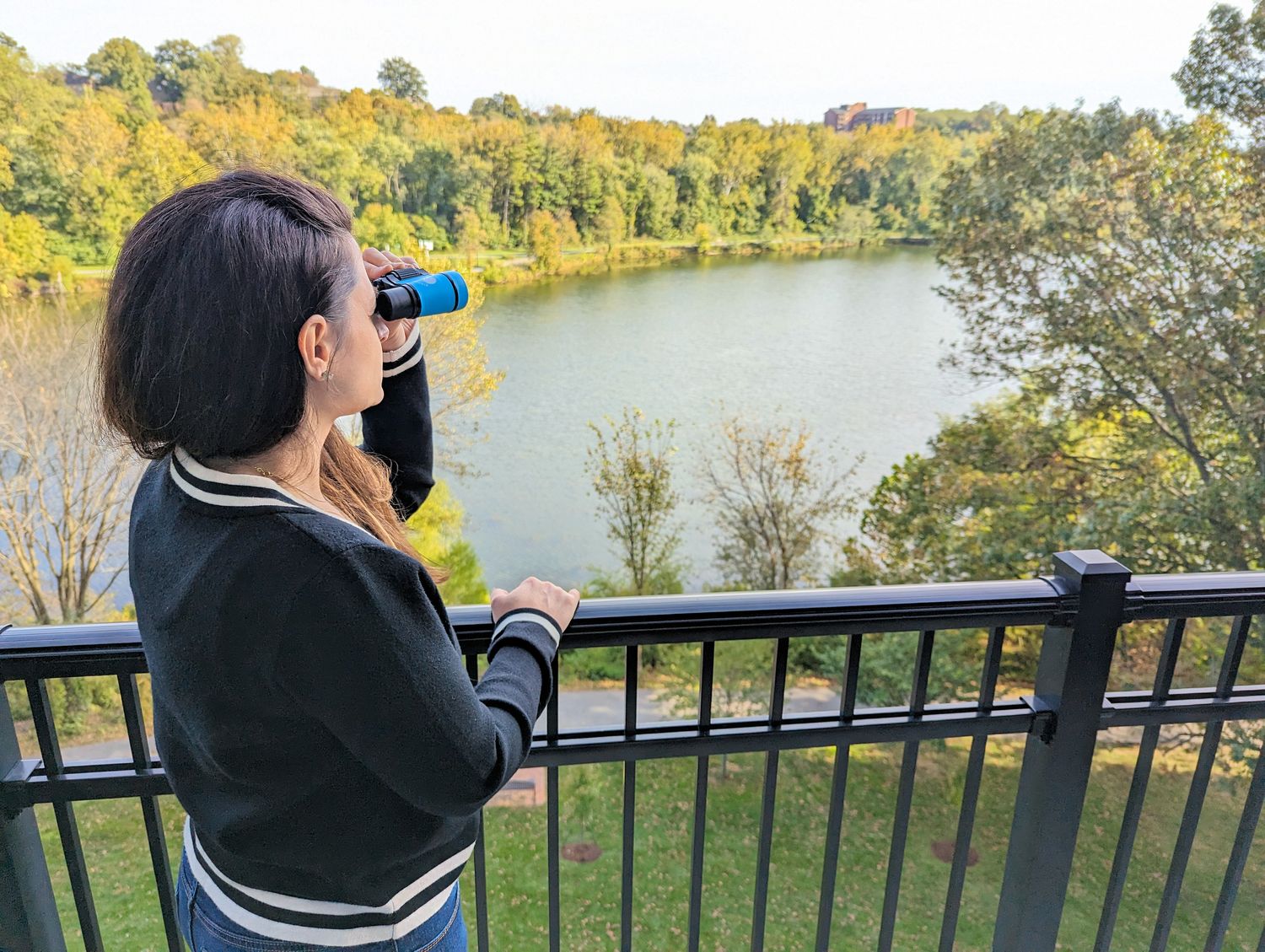
    Bird watching from a window at homeBird watching from a window at home


    Step 1: Start With the Birds You Already See

    The biggest mistake beginners make is trying to identify every bird at once. Skip that entirely. Instead, start paying attention to the birds already flying around your daily life.

    Look for birds in these places first:

    • Outside your windows, especially at dawn and dusk
    • Perched on nearby trees, fences, or streetlights
    • Hopping across your lawn, garden, or a nearby park

    These become your baseline birds, the species you will see most often around your home. Think of them as your regulars. Learning to recognize them quickly builds confidence before you ever open a field guide or ID app.

    In my yard, the regulars are northern cardinals, house sparrows, mourning doves, and American robins. I knew all of them by sight within my first two weeks without looking anything up. Now any new bird that shows up stands out immediately because I know who belongs and who does not.

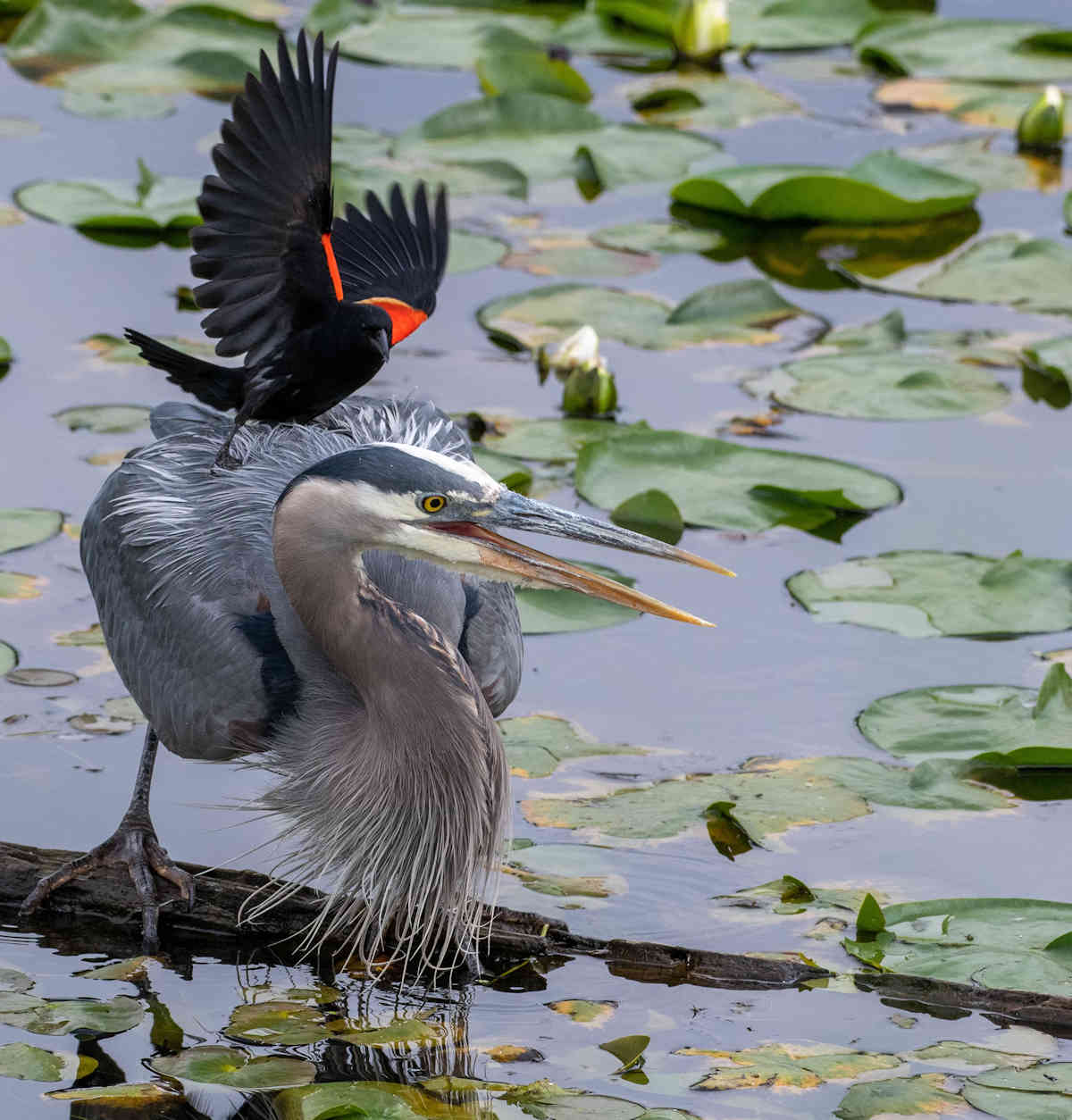
    A Red-winged Blackbird perched near a Great Blue Heron in the waterA Red-winged Blackbird perched near a Great Blue Heron in the water


    Step 2: Know the Best Times to Watch

    One of the things nobody tells beginners is that bird activity follows a very predictable daily schedule. Knowing it means you will see dramatically more birds with dramatically less effort.

    The two best windows are early morning and late afternoon, roughly an hour before sunset. I noticed this pattern with my cardinals long before I ever read about it. They show up like clockwork at dawn, disappear during the middle of the day, and return in the late afternoon to fuel up before dark.

    Cornell Lab of Ornithology research through Project FeederWatch confirms that most backyard species begin hitting feeders about half an hour before sunrise and activity peaks in the two hours before sunset, with a sharp drop-off after that. Activity dips during midday partly because birds need to manage the tradeoff between eating enough and avoiding predators when they are heaviest and slowest.

    Practical tip: If you put out food and wonder why you never see much activity, check the clock. If it is between 10am and 3pm, you are watching during the slowest window. Shift to 6 to 9am or 4 to 6pm and you will see an entirely different level of activity.

    Step 3: Pick Your Watching Spot

    Your bird watching spot does not need to be a nature reserve. It can be your kitchen window, your back porch, your work parking lot, or your daily walking route.

    The key is to choose a spot you already spend time in so that bird watching naturally becomes part of your routine rather than a separate activity you have to plan for. The more frictionless it is, the more consistently you will do it.

    My own setup is simple: a kitchen window that faces the backyard, a chair in good morning light, and a feeder close enough that I can see detail without binoculars. It took about 20 minutes to set up and it has been the same spot for years.

    If you enjoy combining bird watching with a longer outing, the mid-Atlantic region is genuinely spectacular. Chincoteague Island in Virginia is one of the best birding destinations on the East Coast, and it makes for an excellent day trip or weekend. We also covered bird watching at Merriweather Lakehouse Hotel for those who want to combine it with a getaway.


    Step 4: Set Up a Feeder

    Setting up a bird feeder is the single fastest way to increase bird activity around your home. Here is how to do it well from the start.

    Feeder Placement

    Most beginners put feeders wherever they look nice. Placement has a real impact on both how many birds you see and how safe those birds are.

    • Place feeders either very close to a window (within 3 feet) or well away from one (more than 10 feet). This reduces window strike risk because birds either cannot build up enough speed, or they have enough distance to see the glass and course-correct.
    • Position feeders near shrubs or trees so birds have a safe perch to watch from before approaching. A feeder sitting in the middle of open space with no nearby cover gets far less traffic.
    • Keep feeders out of direct afternoon sun when possible. Heat spoils seed faster and can deter birds in summer.
    • If squirrels are a problem (more on this below), mount feeders on a smooth metal pole at least 5 feet off the ground and 10 feet from any potential launch point.

    If you want to improve the overall appeal of your yard, adding native plants and shrubs around your feeder area does double duty. It attracts more birds and creates a more inviting outdoor space for you as well.

    Which Type of Feeder Should You Start With?

    The feeder you use determines which birds you attract almost as much as the food inside it. But here is something most beginner guides skip: you do not need a feeder at all to get started.

    Nearly all ground-feeding species, including juncos, mourning doves, sparrows, cardinals, and blue jays, are completely happy eating seeds scattered directly on the ground. Tossing a handful of a basic mixed blend (the bags at Costco or Walmart work perfectly) in front of bushes, trees, or any clearing near cover is honestly one of the fastest ways to see who is out there. Seeds on your window sill work too. Start there if you want to keep things simple.

    When you are ready to add a feeder, here is what we use and what each one does best.

    1
    Tube Feeder
    The most versatile starting point. A tube feeder filled with black oil sunflower seeds attracts the widest range of small songbirds: chickadees, nuthatches, titmice, finches, and cardinals. One thing to know: mourning doves and blue jays are too heavy to perch on a standard tube feeder comfortably, so this naturally filters out the bigger birds that can empty a feeder fast. Grackles and starlings will also struggle with it, which is a real advantage if those species are common in your area and tend to take over.
    2
    Platform or Tray Feeder
    Cardinals, mourning doves, blue jays, titmice, and chickadees all love a platform feeder. It accommodates larger birds that cannot use a tube and gives everything a flat, open surface to land on comfortably. The tradeoff is that seed is exposed to rain and squirrels, so check it daily. We use one regularly and it tends to get busy fast, especially in the morning.
    3
    Upside-Down Suet Cage
    We specifically recommend the upside-down version rather than a standard suet cage. Woodpeckers and nuthatches have no trouble feeding from below and they absolutely love it. Most other birds find it awkward to hang upside down for long, which means the suet stays available for the birds it is actually meant for. It is a real treat for them and one of the more reliable ways to attract woodpeckers consistently.
    4
    Nyjer Sock
    Finches are essentially the only birds that reliably use a nyjer sock, and they use it enthusiastically. American goldfinches in particular will empty one faster than you expect. Run it from late winter through summer when finch activity peaks. If you are not seeing many finches, do not give up: sometimes it takes a few weeks for them to find a new feeder.
    5
    Window Feeder
    Window feeders are fun and putting birds right at eye level is a genuinely special experience. That said, the suction cups can be unreliable and they tend to fall off more than you would like. Honestly, scattering seed directly on a wide window sill works just as well and requires zero hardware. If you do use a window feeder, fill it with sunflower chips (shelled, no mess) and position it on a window you pass throughout the day rather than one you only look at occasionally.
    A note on grackles and starlings: If these species are active in your yard, a tube feeder and an upside-down suet cage are your best tools for keeping things manageable. Both designs work against larger, more aggressive birds without deterring the smaller songbirds you are trying to attract.
    Want to go deeper? Once you know which birds are visiting your yard, tailoring what you put out makes a real difference. We cover exactly what each species loves in our dedicated guide: What to Feed Backyard Birds: A Guide by Species.

    What to Feed

    The best bird foods are raw and unsalted. Here is what works and what to avoid.

    Safe foods to put out:

    • Black oil sunflower seeds are the universal crowd-pleaser, loved by almost every backyard species including cardinals, chickadees, and finches. Start here if you only buy one thing.
    • Nyjer (thistle) seed is a finch magnet, especially for American goldfinches.
    • Safflower seed is a cardinal favorite and naturally squirrel-resistant.
    • White proso millet is beloved by sparrows, doves, and ground-feeding juncos.
    • Unsalted peanuts are a high-energy food for cardinals, jays, and woodpeckers.
    • Suet cakes are essential in cold weather and attract woodpeckers, nuthatches, and wrens.
    • Fresh fruit such as berries, apple slices, and orange halves bring orioles and catbirds.
    • Mealworms are irresistible to bluebirds and wrens, especially during nesting season.
    • Uncooked oats provide good winter energy for a range of species.

    Foods to avoid:

    • Bread, crackers, and chips are nutritionally empty and can cause health problems with regular consumption
    • Salty foods, because birds cannot process sodium the way humans can
    • Chocolate and avocado, which are toxic to birds
    • Moldy or spoiled food, which can cause serious respiratory illness
    • Raw dried beans, which contain compounds harmful to birds

    Feeder Cleaning

    Dirty feeders are one of the most overlooked hazards for backyard birds. Wet seed molds quickly, and birds congregating at shared feeders can spread disease rapidly. According to All About Birds at Cornell Lab, feeders should be cleaned every one to two weeks using a dilute bleach solution (no more than 1 part bleach to 9 parts water). Rinse thoroughly and allow to dry completely before refilling.

    I fill and check my feeders twice a day, once in the morning and once in the late afternoon. It takes about five minutes total and makes a visible difference in the number and variety of birds that show up. It also lets me notice any sick-looking birds early.

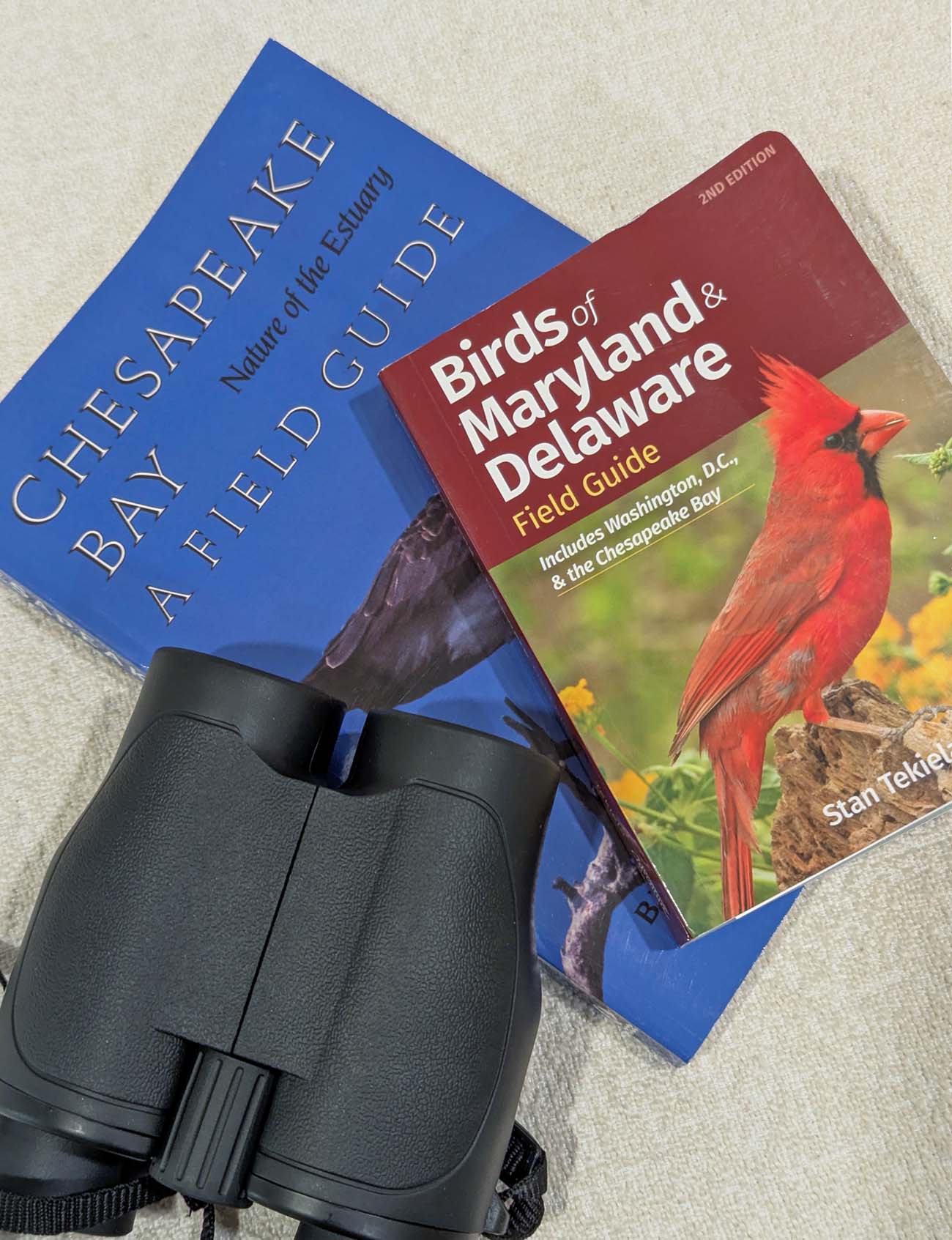
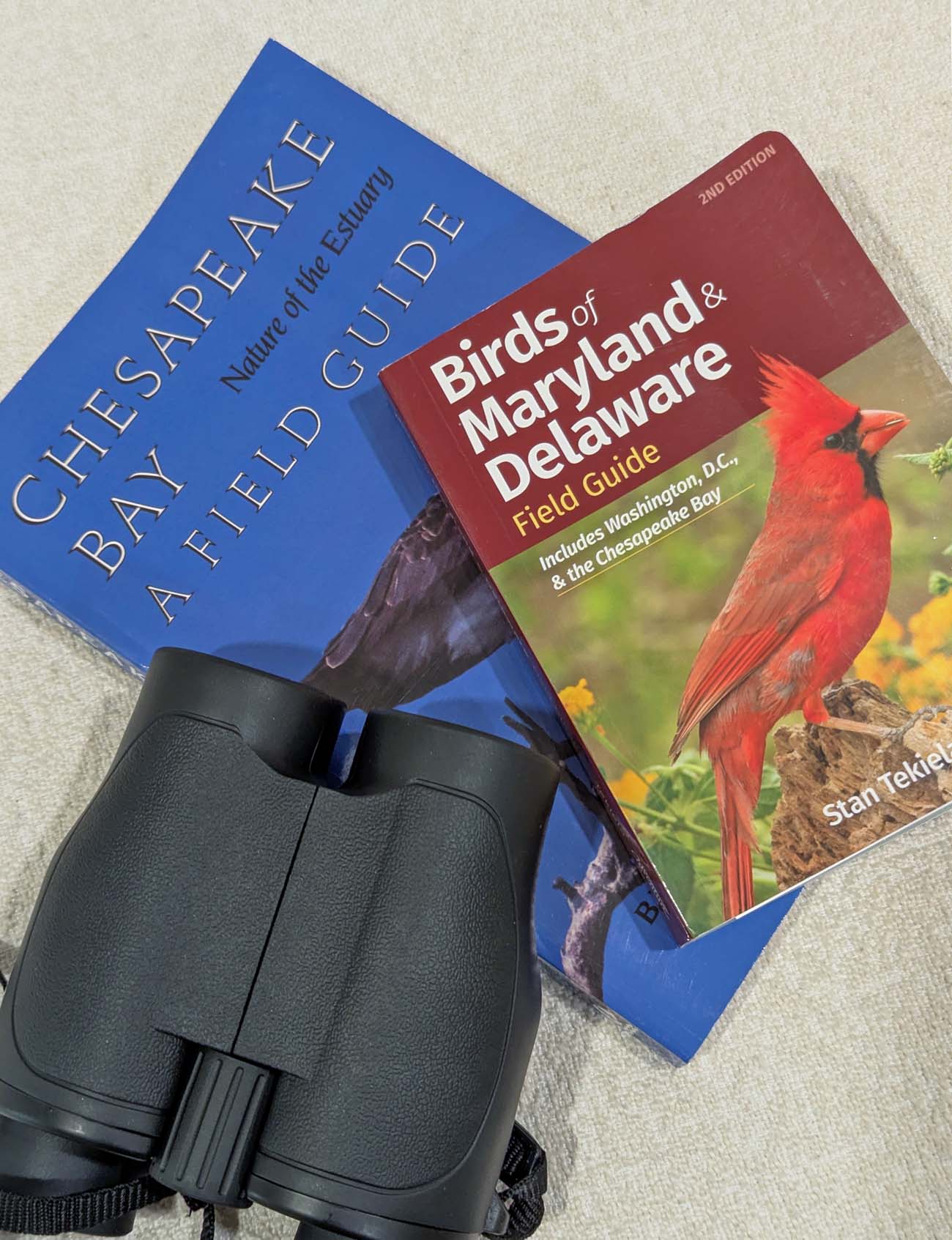
    Also worth having: a good pair of binoculars for when you want a closer look without moving. These beginner-friendly binoculars on Amazon are a popular starting point and work well at typical backyard feeder distances.


    Step 5: Add a Water Source (This May Be the Easiest Win of All)

    Clean water attracts birds that might never visit your seed feeder. Even species that do not eat seeds, such as warblers, thrushes, and mockingbirds, will reliably show up for a dependable water source. And it costs almost nothing to set up.

    We currently have three water sources in our yard and birds drink and bathe in all three every single day. Here is what we use:

    • A large planter tray with a few stepping stones placed inside so smaller birds can stand without being submerged
    • A small ceramic bowl that we refill daily
    • An upside-down frisbee. Yes, really. The birds loved it so we just kept filling it. It has never been replaced.

    None of these cost more than a few dollars. All of them get used every day.

    Two things matter more than what you use: placement and consistency. Keep your water sources in the shade and close to shrubs or trees. Birds feel exposed when drinking and bathing, and nearby cover gives them a quick escape if they need it. That sense of safety is what brings them back every day.

    Change the water every one to three days to prevent mosquito larvae and the spread of disease. In winter, a small bird bath heater (around $25 to $30) keeps water liquid when everything else is frozen and makes your yard genuinely essential to local birds during the hardest months.

    Think about it this way: puddles are the alternative. What you are providing is cleaner, safer, and more reliable than anything they would find on their own.

    The National Wildlife Federation notes that a reliable water source is one of the most impactful things any homeowner can provide for local wildlife, often more effective at increasing species diversity than food alone.


    Step 6: Deal With Squirrels Before They Take Over

    I say this with genuine affection for squirrels as animals, but they will empty your feeder in an afternoon and deter birds from returning. If you live in an area with squirrels, plan for this from day one.

    The most effective strategies:

    • Mount feeders on a smooth metal pole with a baffle (a dome-shaped squirrel guard) to stop the majority of access attempts.
    • Use safflower seeds or hot pepper-treated seed blends. Squirrels dislike both, while birds are completely unaffected by capsaicin.
    • Keep feeders well away from fences, rooftops, and tree branches that could serve as launch points. Squirrels can jump further than most people expect.
    • Consider a weight-activated feeder. The Squirrel Buster line is the most popular option and closes under the weight of a squirrel but opens freely for birds.

    Some people make peace with squirrels and add a separate platform or corn cob feeder just for them. It is not a bad strategy and keeps them occupied and away from your bird setup.


    Step 7: Prevent Window Strikes

    According to the U.S. Fish and Wildlife Service, up to one billion birds collide with glass in the United States every year, making it one of the leading causes of bird mortality. Once you start actively attracting birds to your yard, this is worth addressing.

    Birds cannot see glass the way we do. They see the reflection of sky or trees and fly directly toward it. The solution is to break up that reflection.

    • Apply window decals or tape in a grid pattern. Marks need to be no more than 2 inches apart vertically and 4 inches apart horizontally to be effective. Single hawk silhouettes unfortunately do not work well in practice.
    • Apply exterior window films or screens. These break up reflections while still letting you see through from the inside.
    • Use the feeder placement rule from Step 4. Feeders within 3 feet of windows reduce strike risk because birds cannot build dangerous speed. Feeders more than 10 feet away give birds enough visual distance to see and avoid the glass.

    I added a few simple decal strips to my main watching window two years ago. They took about 10 minutes to apply and I have had no strikes since.


    Step 8: Listen Before You Look

    More often than not, I hear a bird long before I see one. That familiar call or song is your first clue that something interesting is nearby.

    When you are starting out, pay attention to the rhythm, repetition, and pitch of calls in your area. You do not need to memorize anything at first. Your brain will start matching sounds to species naturally with just a few weeks of regular exposure.

    Notice how long a call repeats, whether it sounds sharp and short or long and musical, and whether it seems to come from the ground or high up in the canopy. These qualities stay consistent for each species and become surprisingly recognizable over time.

    Listening for bird calls and songs in the backyardListening for bird calls and songs in the backyard


    Step 9: Download a Bird ID App

    Two free apps from the Cornell Lab of Ornithology will make the entire experience easier, more fun, and more intuitive from day one: Merlin Bird ID and BirdNET. Both are free and genuinely excellent for beginners.

    M

    Merlin Bird ID: Perfect for Learning the Birds in Your Yard

    Merlin is the app most beginners fall in love with because it feels like a friendly guide rather than a tool. You can snap a photo, record a sound, or answer a few simple questions, and Merlin gives you a short, accurate list of likely birds based on your location and the time of year.

    Its real-time Sound ID feature is genuinely impressive. It listens through your phone’s microphone and highlights each species on screen as it sings. You hear a bird, you look at the app, and you know what it is within seconds.

    Download Merlin Bird ID free at AllAboutBirds.org

    B

    BirdNET: For Tricky Calls and Deeper Analysis

    BirdNET is a listen-and-analyze tool. You record a bird call and it runs the audio through a machine-learning model to identify what you are hearing. It is especially helpful for birds you cannot see, the ones calling from deep brush or high in the canopy.

    • Identifies over 6,000 species through deep audio analysis
    • Ideal for tricky calls, background noise, or confirming a rare species

    This app leans more scientific than Merlin, making it a great second-opinion tool for curious beginners who want to dig deeper.

    Download BirdNET free at BirdNET.Cornell.edu

    Which one should you start with? If you can only download one, start with Merlin. It covers the full identification process from photo to sound and is more beginner-friendly. Many birders end up using both: Merlin for everyday use, BirdNET when they want to go deeper. They complement each other well.

    Also worth setting up: a free eBird account from Cornell Lab. It connects with Merlin and lets you log every sighting with location and date. Over time, your eBird life list becomes one of the more satisfying records you will keep, and your data contributes to real bird population science.

    Bird watching from home with a phone and Merlin Bird ID appBird watching from home with a phone and Merlin Bird ID app


    Step 10: Take a Photo Instead of Identifying in Real Time

    Trying to identify a bird while it hops around for eight seconds and then disappears into a hedge is genuinely difficult even for experienced birders. Stop putting that pressure on yourself.

    Instead, take a quick photo with your phone and look it up afterward. Identification becomes a relaxed puzzle rather than a performance.

    When reviewing a photo, look for: color blocks on the head, breast, and wings; beak shape (long and thin indicates an insect eater, short and thick indicates a seed cracker); tail length; and overall body size relative to something else in the frame for scale. These four details will get you to the right species in most cases.


    Step 11: Keep a Simple Bird Log

    This one is optional but I genuinely recommend it, even if it is just a note in your phone. Looking back on a year of sightings is unexpectedly satisfying.

    A few details worth recording:

    • The date and time of sighting
    • The species you saw (or your best guess)
    • Number of birds
    • Sex and approximate age if you can tell
    • Location
    • What the bird was doing: calling, bathing, foraging, or nesting

    Keeping a log is how you start to notice patterns. Which birds appear only in certain weather. The ones who migrate and when. Which ones stay year-round. What  time of day brings the most activity.

    I noticed years ago that my cardinals arrive at my feeder almost every single day, but early morning and the hour before sunset are their peak times without fail. That is not something I would have recognized without paying enough attention to spot the pattern over time.


    Pay Attention to Seasons and Weather

    One of the more rewarding aspects of bird watching is that it connects you to seasonal rhythms you would otherwise completely miss.

    Bird activity shifts with temperature, daylight, rainfall, and migration cycles. Once you start watching regularly, you will feel spring arriving through bird behavior before you notice it in the plants. The return of certain species, the change in calls, the increase in territorial singing in late winter. All of it becomes readable with time.

    Where I live in the mid-Atlantic, I mark the seasons partly by birds. Dark-eyed juncos arrive as soon as it gets cold in late fall and begin migrating north to Canada at the very first hint of spring. I always miss them when they leave, but their departure means the robins and catbirds are coming back. It has become a kind of living calendar I genuinely look forward to every year.

    Rain, wind, and temperature swings all influence where birds are and what they are doing. Cold snaps make feeders busier. Storm fronts push migrating birds into unexpected areas. Foggy mornings seem to make birds call more. All of this becomes readable the longer you watch.

    If you want to see migration up close, the mid-Atlantic coastline during spring and fall is extraordinary. Our guide to the best day trips from Philadelphia for nature lovers covers several spots that are outstanding during peak migration season.

    Birds at Chincoteague National Wildlife Refuge in Virginia during migrationBirds at Chincoteague National Wildlife Refuge in Virginia during migration


    Bird Watching From an Apartment

    No yard? No problem. A window sill with a handful of seeds or peanuts will attract birds in almost any urban or suburban environment. It may take a day or two for the first birds to discover it, but they will come.

    One practical note: birds are messy eaters. To keep things tidy, look for seeds labeled “no mess” or “waste-free.” These are shelled blends where birds eat everything rather than dropping hulls on your sill or the ground below. They are slightly more expensive but absolutely worth it on a balcony or window ledge.

    A suction-cup window feeder is worth trying if you want birds right at eye level. They are widely available for $15 to $25, though the suction cups can be unreliable. Honestly, seed scattered directly on a wide sill works just as well and requires nothing at all.


    The Mindset That Makes Bird Watching Stick

    The most beautiful thing about bird watching is that there is no wrong way to do it. No life list required, no field trips planned, no expertise needed. Just show up and pay attention.

    If you notice a new bird, recognize a call, or observe a behavior you have not seen before, you are already doing it right. That is the whole thing.

    The rewards come slowly at first and then all at once. Birds start appearing on your commute, in parking lots, in the middle of conversations. A call you once ignored suddenly has a name. A flash of red at the window brings a small, quiet happiness that is hard to explain but very easy to feel.

    Most hobbies ask a lot of you before they give anything back. This one starts paying off the moment you look up.


    Quick-Start Checklist for Your First Week

    If you want to get started today, here is the simplest possible path:

    1

    Put out a dish of black oil sunflower seeds near a window you already sit by

    2

    Fill a shallow dish with clean water nearby and change it every two days

    3

    Download the Merlin Bird ID app (free, from Cornell Lab)

    4

    Pick a 10-minute window each morning to watch, ideally between sunrise and 9am

    5

    Take a photo of any bird you do not recognize and identify it later using Merlin

    6

    Note any birds you see in your phone or a dedicated journal, even just the species name and time

    That is the whole starter kit. No gear, no expertise, no weekend trips required. Just seeds, water, and your attention.

    The birds will do the rest.


    Which bird showed up first at your feeder? Drop it in the comments below. We love hearing about the regulars.

    More You Might Enjoy

    The post How to Start Bird‑Watching From Home appeared first on Better Living.

  • DRUCKER LETS THE NIGHT STRETCH ON IN “MIND IN THE GUTTER”

    DRUCKER LETS THE NIGHT STRETCH ON IN “MIND IN THE GUTTER”


    Drucker, the Montreal artist, has already made a lasting impression with his previous releases, showcasing a distinctive voice and a knack for emotional storytelling. His music, often described as urban romanticism, blends alternative rock, indie, and folk, all infused with raw passion and cinematic detail.

    Drawing from a range of influences that spans Sam Fender to Jeff Buckley, Drucker builds character-driven songs with melodies that linger well after the last note. His catalog has found real footing across North America, with airplay on SiriusXM and NPR and consistent editorial support on Spotify. He has also been a steady presence on the road, most recently opening for Dom Louis on the Life in the Making tour.


    Drucker has just released his new single, “Mind in the Gutter,” the final track before his highly anticipated debut EP arrives on May 1st. The song combines a melody that grabs you from the very first note with vocals that fully engage the senses and a level of production that has become a hallmark of his music. It signals a shift in his sound by blending anthemic indie rock energy with the cinematic detail fans have come to expect, offering a vivid glimpse into the emotional world of the upcoming EP.

    “Mind in the Gutter” captures the quiet aftermath of a relationship that has already fallen apart. Unlike the earlier songs that explore connection and distance, this track settles into the emotional baggage left behind. Drucker is alone, caught in a restless state where time keeps moving but memories refuse to fade, while emotions begin to overpower any sense of logic.

    The song turns inward, following the narrator as he navigates the aftermath of a love that has ended. He is caught in a restless cycle, performing small, repetitive gestures to feel something, letting the night stretch on, and memories linger. Gradually, this quiet spiral becomes a study of grief, where longing and regret intertwine and transform into a sense of self-inflicted pain.

    The setting of the music video lingers around the fading aura of the Chelsea Hotel, grounding the story in a series of small, uncomfortable observations, such as cracks along the walls, strands of hair clinging to a sweater, and clocks waiting to be reset. These details become distractions from the larger reality Drucker is reluctant to confront. The relationship has ended, yet the mind keeps returning to the single mistake that triggered the collapse.

    Many people can identify with “Mind in the Gutter.” Many have been in the same place, and even if you do not feel personally connected to the message, the song still stands strong on its own thanks to its melody. Drucker’s upcoming EP promises many memorable moments, so stay tuned for what comes next.


    The post DRUCKER LETS THE NIGHT STRETCH ON IN “MIND IN THE GUTTER” appeared first on LADYGUNN.

  • 2026 Cute & Casual Spring Outfits (That Are Easy to Recreate)

    2026 Cute & Casual Spring Outfits (That Are Easy to Recreate)

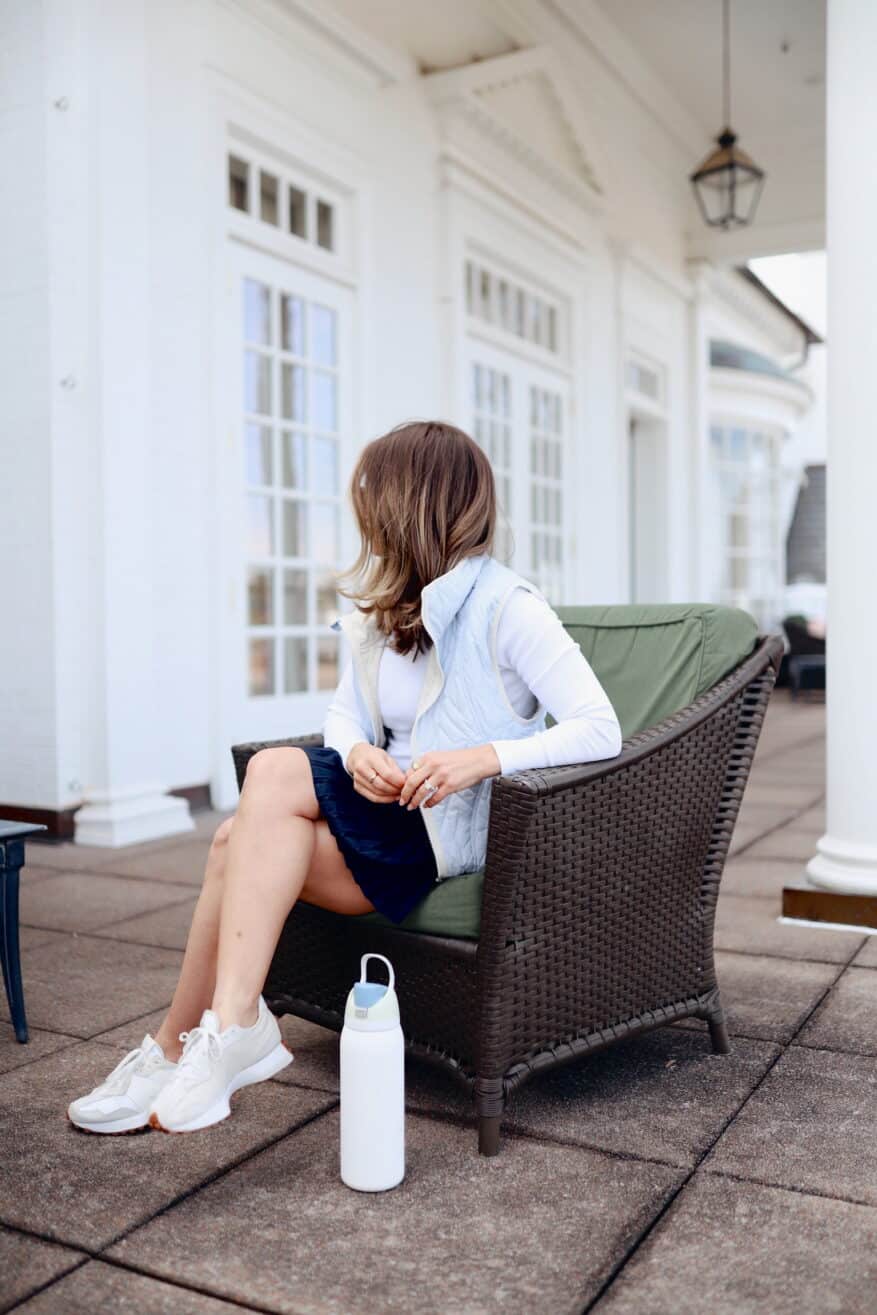
    Spring can be one of the trickiest seasons to dress for, one day it’s chilly, the next it feels like summer. But casual spring outfits for women don’t have to be complicated. The key to effortless spring looks is having a mix of classic, casual clothes for spring that layer well and feel put together without trying too hard. Whether you’re looking for cute spring outfits to wear on the weekend or easy outfit ideas for spring that work for errands and brunch, this post has you covered with my favorite casual spring styles for 2026.

    Spring 2026 Trends + Outfit Ideas

    Before we get into the outfits, here’s a quick look at the Spring 2026 trends worth knowing, filtered down to what actually works for everyday casual style:

    • Relaxed, refined denim: Denim silhouettes are evolving this spring. Wide-leg, straight-leg and barrel styles are still going strong, but the look is cleaner and more streamlined than previous seasons. Pair with a fitted top to balance proportions.
    • Butter yellow: The breakout color of the season. It works beautifully with white, denim, and neutrals and shows up in everything from sweaters to blouses.
    • Bold color pairings: Spring 2026 is moving away from quiet, neutral dressing toward vibrant, unexpected color combinations. Even adding one bold piece to a simple outfit will feel very current.
    • Short sleeve sweaters: A polished, lightweight alternative to a basic tee that’s showing up everywhere this season.
    • Ballet flats: They’re the perfect spring shoe to pair with jeans, skirts, or dresses.
    • Gold jewelry: Silver is taking a back seat. A gold necklace or earrings instantly updates a simple casual outfit.

    As always, pick one or two that feel like you and build around what’s already in your closet.

    Spring Outfits with Blue Jeans

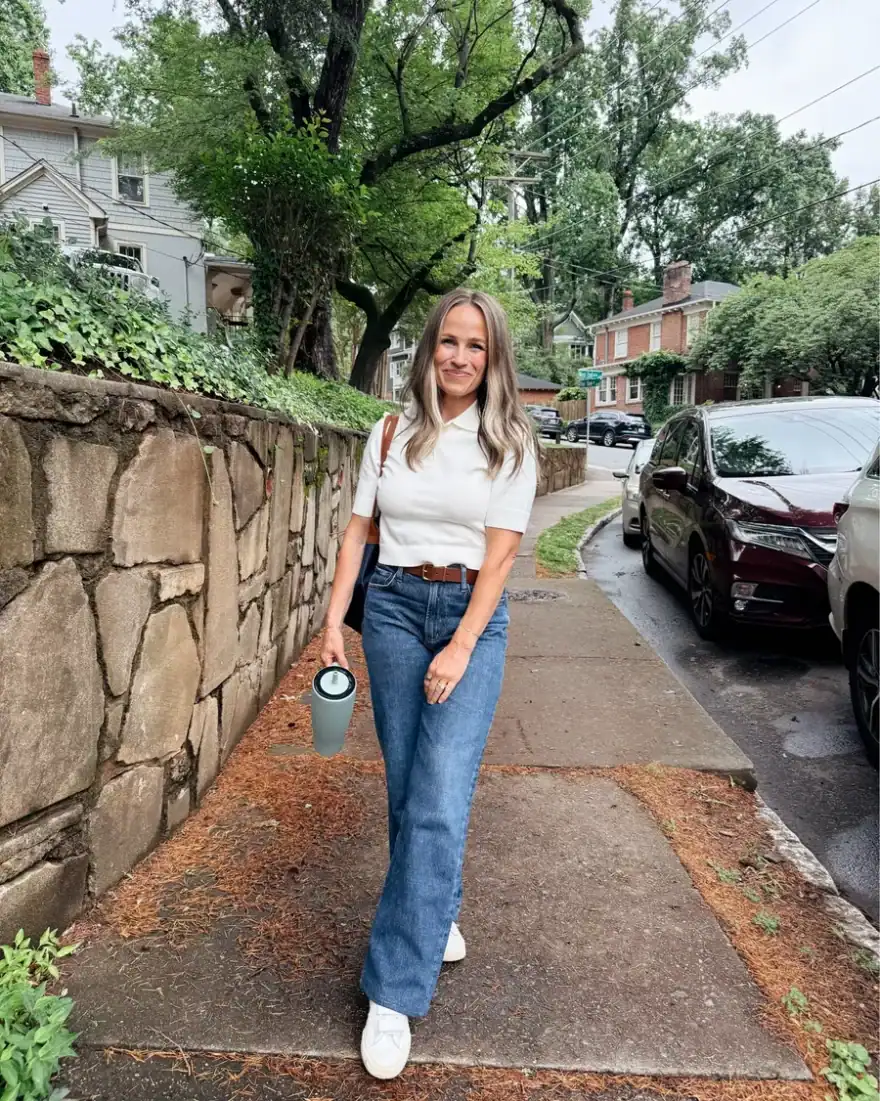
    Regular blue jeans are a year-round essential, and in spring, they pair well with light layers and breezy fabrics. I have quite a collection of denim, so picking one pair to recommend is too hard. If you are in need of one or two pairs of jeans that will take you through the entire year, I think you should try the Quince kick out crop jeans (read my Quince review here) and the Levi Ribcage ankle jeans. Both are cropped at the ankle, which makes them easier to style with loafers, sneakers, and sandals (and that’s what I reach for in the spring).

    Here are some easy ways to wear them:

    JavaScript is currently disabled in this browser. Reactivate it to view this content.

    Spring Outfits with White Jeans

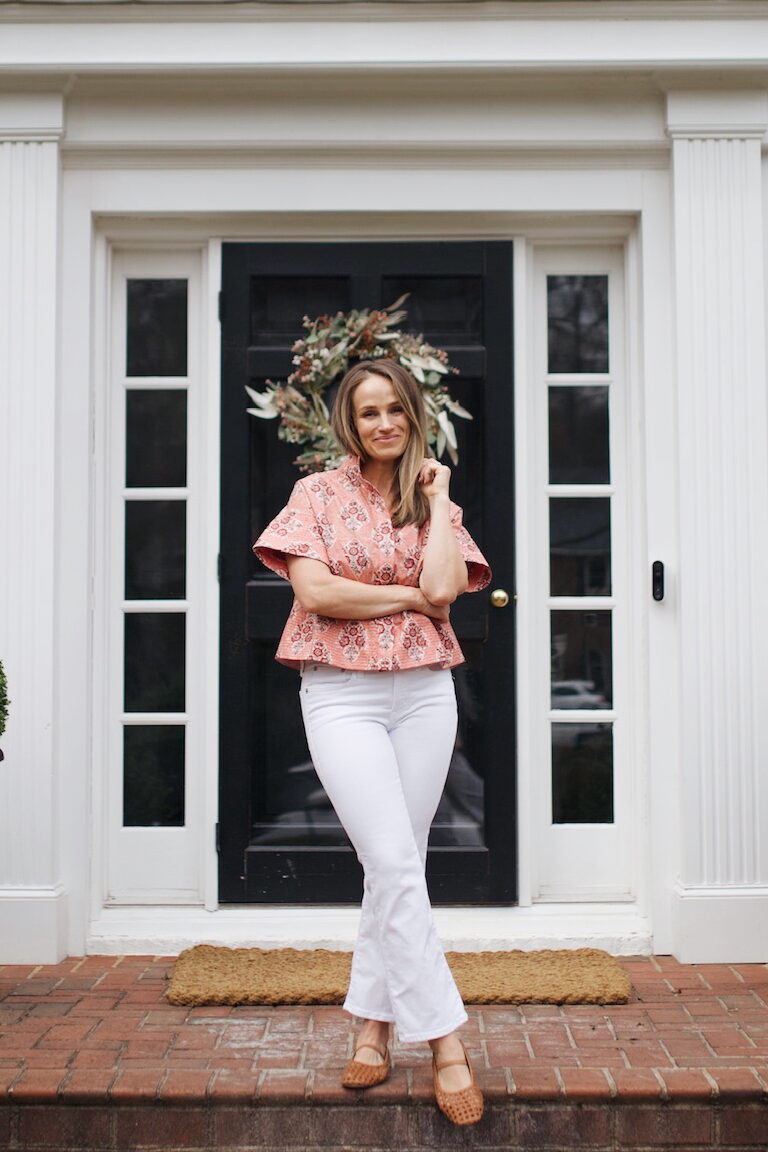
    White jeans instantly make any outfit feel more spring-ready. I tried 15 different brands of white jeans before finding the best pair. Here’s how to wear them:

    JavaScript is currently disabled in this browser. Reactivate it to view this content.

    Spring Outfits with Skirts

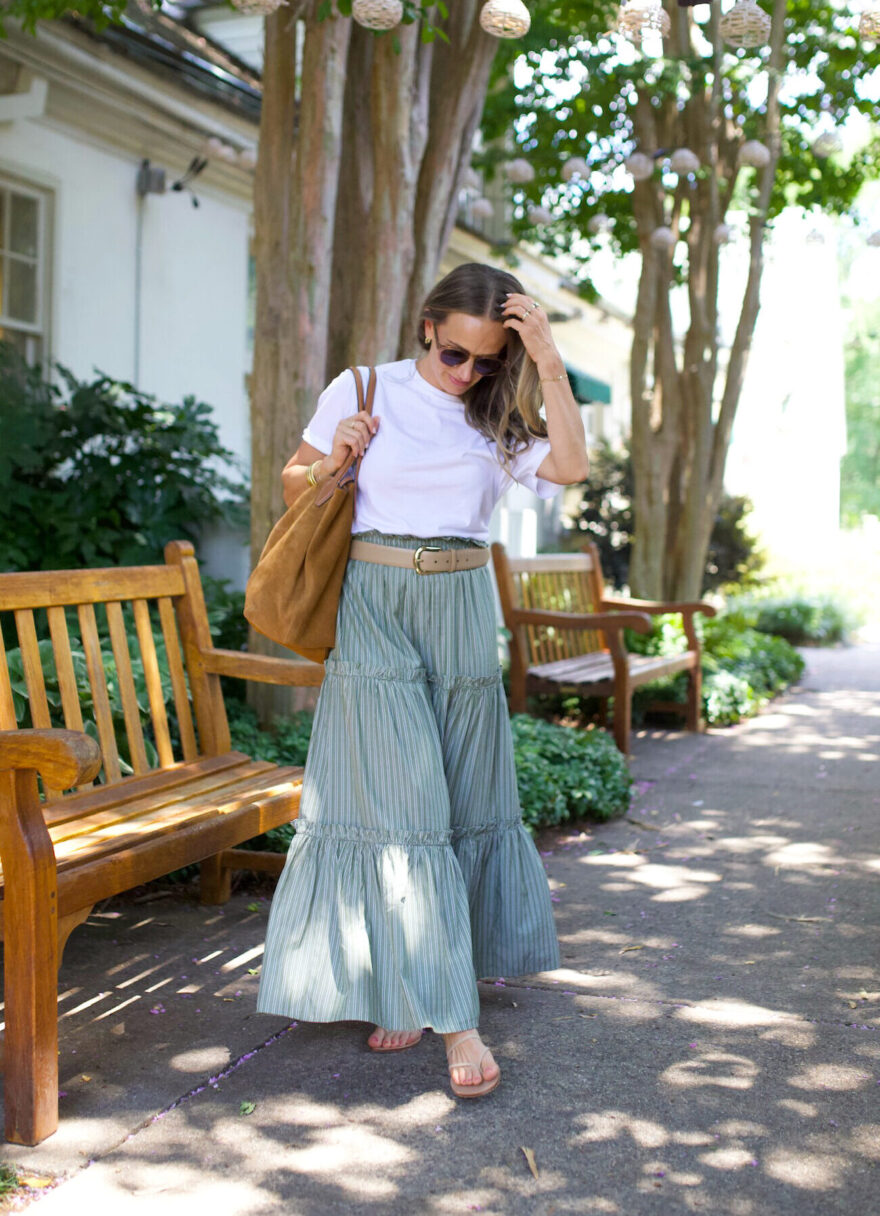
    Funny enough, I wasn’t a fan of skirts until this past year! But once I had my second baby and was breastfeeding in the summer, I realized skirts made nursing so much easier and are one of the easiest ways to pull off fresh spring looks for women without much effort. Maxi skirts are such a cute and comfortable option (check out how to style a maxi skirt here) Midi skirts and mini skirts are great for transitioning into warmer weather. I have my eye on this floral skirt from Tuckernuck. I love the colors for spring and it’s not too much floral. They offer versatility and can be styled in so many ways:

    • Floral Skirt & Tee: Pair a floral skirt with a tucked-in tee and white sneakers for an effortless yet stylish outfit. Nothing says spring more than a fun floral print!
    • Denim Skirt & Sweater: A lightweight sweater with a denim skirt (I love this option because it comes in regular & petite lengths) and sneakers makes for a cute, in-between-seasons look. A denim skirt is also such a great alternative to jeans that still feels casual, but on trend.
    • Classic & Chic: A pleated midi skirt with a fitted tank top and heels is perfect for a polished but relaxed spring outfit.

    Cute Spring Outfits with Dresses

    Dresses are the ultimate throw-on-and-go piece, making them ideal for spring. I have a million spring dresses, but I think my personal favorites at the moment are this Chambray Callahan dress, and this Frank & Eileen Maxi Shirtdress that I recently wore on vacation Turks & Caicos. (see all my favorite Tuckernuck dresses in this roundup). Both look great with sneakers and sandals. Here are some simple ways to style dresses in the spring:

    Spring Outfits with Denim Shorts

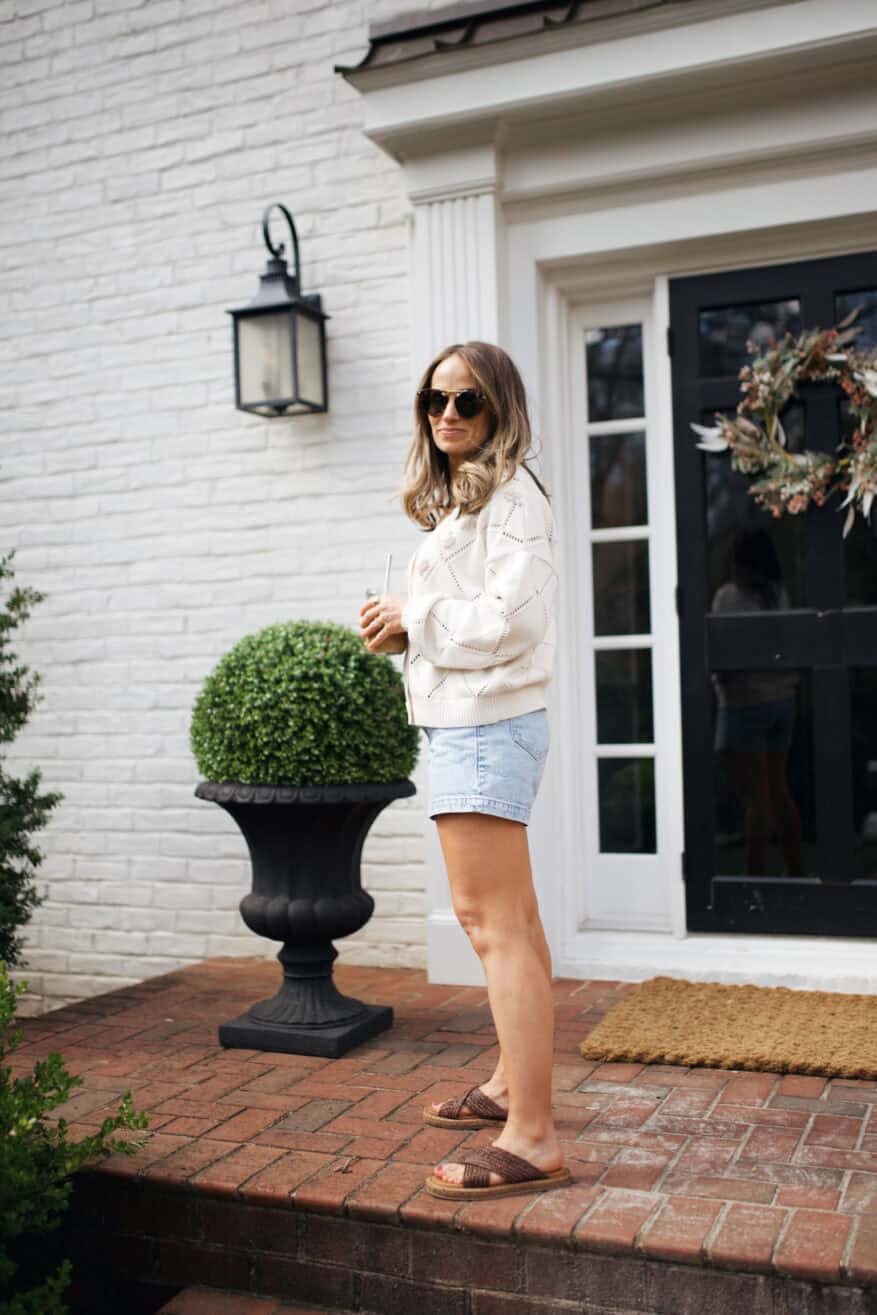
    Denim shorts are a spring staple and can easily be dressed up or down. Whether you love a classic cutoff style or a polished, tailored version, there are endless ways to style them. I shared my very favorite denim shorts in this “mom-approved jean shorts” blog post, but if I were to pick just one pair, I think it would be these High Rise Dad Short from Abercrombie because they’re not too short or too tight. I also love the polished look of a pleated short like this pair from Quince.

    I shared the best Madewell jean shorts here if you know you love that brand, and a review of Abercrombie denim shorts here.

    Here’s how to style denim shorts for spring:

    Spring Athleisure Outfits

    Athleisure is perfect for staying comfortable while still looking put together. I shared my favorite athleisure pieces in this blog post. Some spring-friendly ideas include:


    Turn on your JavaScript to view content

    Spring Shoes

    The right shoes can make or break casual spring styles, so you’ll want to make sure you have a few cute spring shoe options in your closet – think a blend of your winter shoes and summer shoes. While you can totally wear boots on cold days, as we get into warmer spring, you’ll want to trade boots out for strappy sandals. I tend to wear a larger variety of shoes in the spring than summer or winter since the weather is variable.

    Your choice of footwear can completely change an outfit. Some spring must-haves include:

    • White Sneakers: A staple that works with everything from dresses to denim. The VEJA Recife sneakers are my top pick.
    • Strappy Sandals: Great for dressing up any casual outfit. I shared my top spring sandal picks here.
    • Espadrilles: A classic spring shoe that pairs well with skirts and dresses. I don’t love the look of them on my shorter frame, but do think they are beautiful on a longer frame and truly epitomize spring. This is a great neutral espadrille option if they’re your cup of tea!
    • Ankle Boots: Perfect for transitional weather, especially when paired with jeans or midi skirts. But now that we’re into mid-March, you’ll want to start packing these away. They work well in very, very early March! The Margaux Downtown Boot is my favorite pair and are very versatile with white and blue denim along with a straight or wide leg jean.

    Spring Purses

    A great bag can tie your whole outfit together. Some timeless options for spring include:

    Other Spring Staples

    These are the casual clothes for spring that make getting dressed easy no matter what the weather does. Spring staples to add to your wardrobe:

    By mixing and matching these spring staples, you’ll always have something stylish and effortless to wear no matter how unpredictable the weather gets! Let me know if you have other spring outfit ideas that I missed below!

    The post 2026 Cute & Casual Spring Outfits (That Are Easy to Recreate) appeared first on TeriLyn Adams.

  • DAVID GRIDLEY ON THE ART OF THE SITCOM

    DAVID GRIDLEY ON THE ART OF THE SITCOM

    Interview / Bri Ng Schwartz 

    Photographer / Dax Henry

    Styling / Bri Ilarda

    Grooming / Nicole Servin

    Actor David Gridley has kicked off 2026 with a bang, joining a powerhouse packed ensemble in the Scrubs reboot. The revamped series brings back original cast Zach Braff (J.D.), Donald Faison (Turk), Sarah Chalke (Elliot), John C. McGinley (Dr. Cox), and Judy Reyes (Carla) along with a new class of doctors featuring familiar faces Vanessa Bayer (Sibby) and Joel Kim Booster (Dr. Eric Park) with Gridley as Blake Lewis, a tough personality on the hospital floor. 

    With over a decade of being a working actor under his belt, Gridley has developed a keen sense for what goes into creating a character with layers in both TV and Film. We discuss his Scrubs journey, where his love for sitcoms originated as well as lessons learned being in the industry for over a decade. 

    Top, Brunello Cucinelli. Bottom, Alexander McQueen.

    What has it been like to step into such an iconic franchise?

    It has been a whirlwind. I think I’m just now processing how massive this is and what an impact it has and has had before. My head hasn’t stopped spinning since the booking.

    What can you share about your character, Blake Lewis? 

    He’s a very alpha male type. He’s not one to ask for help or really buddy up with the other interns because he thinks he can do it all himself and doesn’t have a lot of patience for incompetence. So he’s a bit of a tough personality to deal with.

    Could you share more about the place you go as an actor when playing a character like that?

    He does have reasons why he is cocky, arrogant, cold, and it’s all defense mechanisms. His  past traumas he’s been through as a sort of walls and barriers he’s put up to protect himself. I could pull a lot of those defense mechanisms from myself. 

    As far as the outer confidence, I mean, it’s fun to play, but I don’t operate like that. It’s been fun to discover that and be challenged by it.

    It’s such an ensemble-driven show. Not only with that original cast, but the new cast you’re coming up with. It’s an insane roster. Do you have any memorable moments from working alongside those folks? 

    The first time we all got together and we heard the lines read by them and just watching it all happen was a very iconic moment. Just seeing Zach, Donald and Sarah do their thing while you’re in the scene with them, it’s mind-blowing. 

    They’re so gracious and so inviting. We never felt like outsiders or felt like the new kids. They instantly invited us into the family, and that really made it easy for all of the newcomers to create with them.

    What do you think it is about this franchise that resonates with viewers enough to bring it back?

    A lot of the fans are hitting on it in the comments. They say it feels like a warm hug or like being embraced by someone familiar. I think especially now with all the hard stuff going on, the familiarity, something they know will make them laugh and feel something.

    It’s got the heart, it’s got the comedy, and the writers really made this love bomb for the viewers. You get so attached to it. The watchability is so great. You can just rip through episodes so fast. It feels like the characters are in your life; you’re really growing with them.

    What sitcoms did you grow up watching?

    Oh man, I grew up watching Family Matters. I also watched Fresh Prince, of course. What was the one before school? Saved by the Bell. Boy Meets World was massive.

    Fresh Prince, Boy Meets World, Saved By The Bell. They have all had reboots. There’s been talks of a Family Matters reboot on and off for years. There’s a real desire for nostalgic media right now. How do you feel about it from an actor’s perspective?

    With me, and I think a lot of viewers are like “Oh man, a reboot. They’re bringing it back. They’ll never be able to capture the original.”  But I think what’s been so cool about Scrubs is it hasn’t been this regurgitated version of it. It really is a revival picking up where these characters are now. It’s familiar, but it’s this new energy with the heart still attached.

    You’ve been in the industry for over a decade now. What are some of the biggest lessons you’ve learned as a working actor?

    The job can’t be your identity. The minute you start developing pride and an ego with acting, you’ll get humbled so quickly. I love it because it challenges you, it keeps you accountable, and it keeps you present. You’re always on your toes, which is also super stressful. Having kids adds another layer to it. I love the randomness of going to a different city or country for a job, but then you have kids and it’s harder to navigate. 

    I’ve learned to just be thankful and to be present with every job. A lot of actors will be on something and be like, “Oh, what’s the next thing? What’s the next thing?” And I think throughout the years I’ve really learned to really love the job you’re on and really enjoy it. That’s what’s been so great about Scrubs. It’s checked off every dream that I’ve won. Half hour, single cam comedy on a network and network gigs are hard now. So it’s a dream job. So now it’s hard too because you have these ebbs and flows. That’s something I’ve learned too, if you get these high octane dopamine rushes of working, being on set, doing these things straight to just unemployment. And you get depression every time I do at least a few weeks of depression after a gig, but just realizing everything’s seasonal and things come in seasons and it’s a brutal industry.

    I have months of interviewing somebody every day, and then months where I don’t even know if I can call myself a writer because I’m not working on anything.

    Totally. It’s brutal. What’s cool about it is, you’re always attuned to where you’re at. It challenges you to deal with those dark thoughts and find out who you really are, your grit and the perseverance you have. Are you a competitive person?

    I like to say no, but I think in certain environments I am. 

    You got to be. I feel like working in the industry, you have to have a competitive edge. 

    As I’m getting older, I remind myself that everybody’s path is super unique. Everybody’s just trying to do their own thing.

    That’s massive. What’s yours is yours. You hear that growing up and when you’re struggling, you feel like nothing is yours, but you can’t compete with others. You compete with yourself. 

    As an actor, do you struggle with the typecasting of it all? Walking into audition rooms and you see five other guys who look just like you? 

    Oh yeah. It is such a mental game. My wife has been pivotal. I don’t think I’d be acting still if it wasn’t for her. We’ve been together since high school, so she’s been on the whole journey as and has been a real advocate and cheerleader for me. You’ve got to have that support to do this. 

    On the topic of family, what would you say to your kid if they told you they wanted to be an actor?

    I’ve seen other families navigate this. It probably will come up because he seems very interested as a four-year-old. It’s really a balance of the parents and the kids. Can you do it in a healthy way? I guess we’ll have to cross the bridge when it comes, but I certainly wouldn’t want to squash the dream.

    What do you think makes a good sitcom?

    There’s so much. Pace, jokes within a scene, the music’s got to be right, editing has to be so good, and the characters have got to be iconic. It takes an entire village. 

    Top, Rag & Bone. Bottom, COS.

    Top, Helmut Lang. Sunglasses, Ray-Ban. Watch, Casio.

    You can catch David Gridley as Blake on Scrubs, now streaming on Hulu and Disney+

    CONNECT WITH DAVID GRIDLEY

    INSTAGRAM // IMBb

    The post DAVID GRIDLEY ON THE ART OF THE SITCOM appeared first on LADYGUNN.

  • Four Fun Things

    Four Fun Things

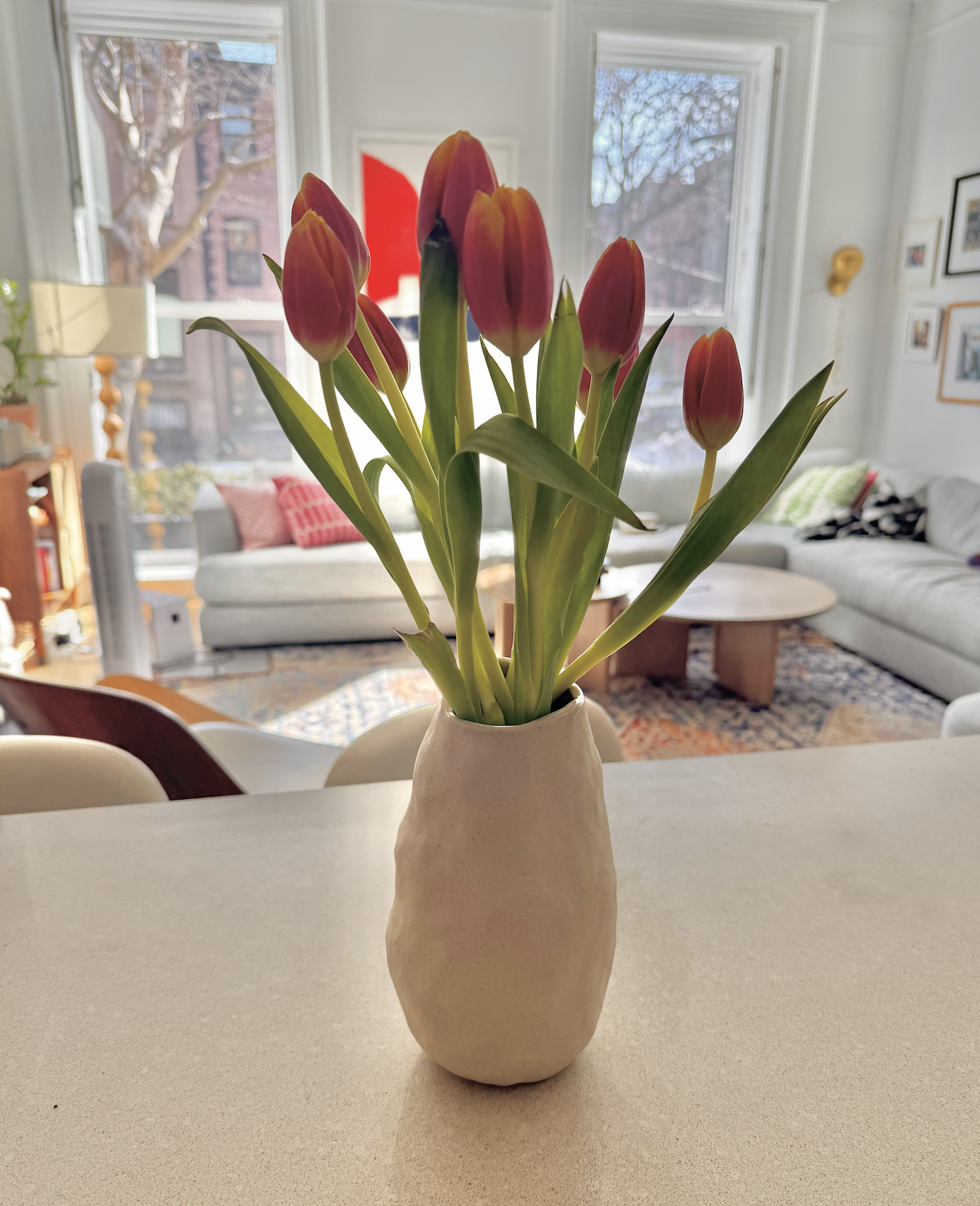
    tulips spring

    Guys, tomorrow is the first day of spring! We did it!!! Here are some tulips to celebrate.

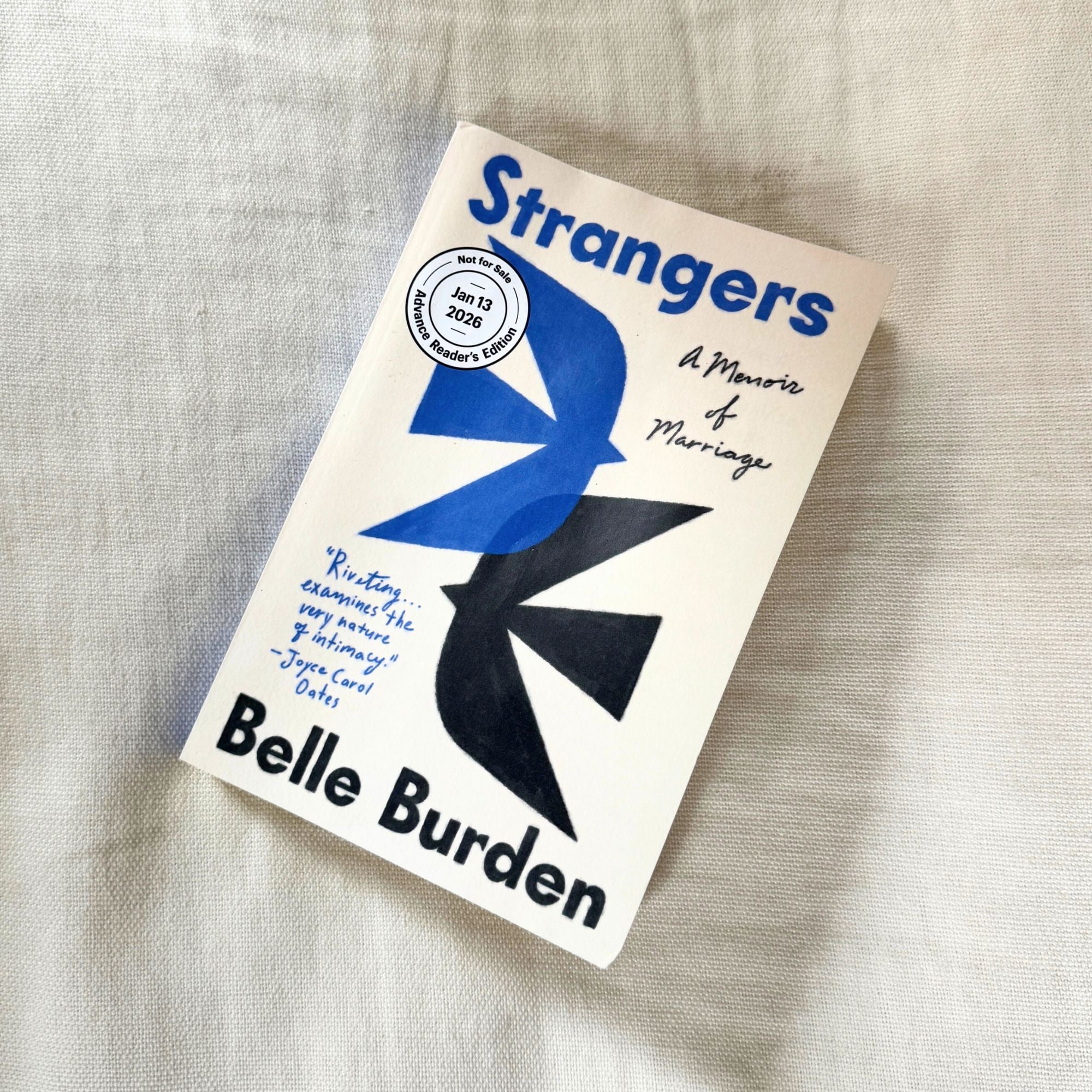
    strangers by belle burden

    Have you read Strangers, the divorce memoir by Belle Burden?… Read more

    The post Four Fun Things appeared first on Cup of Jo.

  • Does Teriyaki Sauce Go Bad? Everything You Need To Know

    You grabbed that bottle of teriyaki sauce from the back of the fridge, and now you are not sure how long it has been open. Does teriyaki sauce go bad?

    The short answer: Yes, teriyaki sauce can go bad. The good news is that it is one of the more shelf-stable condiments in your kitchen. Thanks to its high salt and sugar content, it lasts a long time when stored properly and is unlikely to make you sick the way perishable foods would.

    For a full overview of how common condiments and sauces compare on shelf life, visit our Complete Food Storage Guide.

    Key Takeaways

    • Teriyaki sauce does go bad, but it has a long shelf life of 1 to 3 years unopened and up to 1 year opened when refrigerated.
    • Refrigerate after opening for best quality. Major brands including Kikkoman recommend it.
    • Spoilage signs to watch for: off smell, mold, significant color change, or strange texture.
    • Best by dates are quality indicators, not safety cutoffs. A properly stored bottle may still be good past the printed date.
    • Homemade teriyaki sauce has a much shorter shelf life of 5 to 7 days in the fridge.

    How Long Does Teriyaki Sauce Last?

    Teriyaki sauce is built from naturally preserving ingredients. Soy sauce provides a high-sodium base, sugar acts as a preservative, and vinegar or mirin add acidity that inhibits bacterial growth. Together these components give teriyaki sauce an impressive shelf life compared to most condiments.

    Type Pantry (Unopened) Refrigerator (Opened) Pantry (Opened)
    Commercial Teriyaki Sauce 1 to 3 years Up to 1 year 1 to 3 months
    Homemade Teriyaki Sauce N/A 5 to 7 days Not recommended

    Source: USDA FoodKeeper. Shelf life reflects best quality. Always check for spoilage signs before using.

    According to Kikkoman’s official product FAQ, their teriyaki marinades and sauces should generally be used within 18 months of the production date for unopened plastic bottles. Once opened, they recommend refrigeration and note that their sauces are best used within one month of opening for the freshest flavor, though quality holds well beyond that with consistent refrigeration.

    What Makes Teriyaki Sauce Shelf-Stable?

    Understanding why teriyaki sauce lasts so long helps you store it better. The main ingredients work together as natural preservatives:

    Soy sauce is the backbone of most teriyaki sauces. Its high sodium content creates an environment where most bacteria cannot survive. The USDA FoodKeeper confirms that soy-based condiments owe their shelf stability largely to this salt concentration.

    Sugar and mirin (sweet rice wine) also act as preservatives by binding water molecules and reducing the moisture available for microbial growth.

    Vinegar or rice wine lower the pH of the sauce, creating an acidic environment that further inhibits bacteria.

    Once opened, exposure to air, repeated contact with utensils, and temperature changes begin to degrade those preserving properties over time, which is why refrigeration after opening matters.

    Signs That Teriyaki Sauce Has Gone Bad

    When to Throw It Out

    Smell: Fresh teriyaki sauce smells sweet, savory, and slightly salty. If your sauce has developed a sour, fermented, or otherwise off odor, that is a clear sign it has turned. Trust your nose first.

    Mold: Visible mold or fuzzy growth anywhere in or around the bottle means discard immediately. This is most likely to occur if water or food particles have been introduced via a utensil.

    Color change: Teriyaki sauce is naturally dark brown. Significant darkening beyond its original color, or any unusual discoloration, can signal oxidation or spoilage.

    Texture change: A very thick, syrupy, or slimy consistency that differs from when you first opened the bottle is worth noting. Some thickening from evaporation is normal, but slimy texture is not.

    Taste: If the sauce passes the smell and appearance tests but still seems off, a small taste will confirm it. Rancid or unusually sour flavor means it is time to replace it.

    What is NOT a sign of spoilage: Slight separation of ingredients or sesame seeds settling at the bottom is completely normal. A gentle shake or stir will bring it back together with no quality loss.

    Does Teriyaki Sauce Need to Be Refrigerated After Opening?

    Technically, commercially made teriyaki sauce does not become unsafe if left unrefrigerated after opening, thanks to its preservative ingredients. However, refrigeration is strongly recommended by major brands. According to Kikkoman, refrigerating their sauces after opening helps maintain flavor quality for the longest possible time.

    Leaving an opened bottle at room temperature is acceptable if you plan to finish it within a few weeks. For anything beyond that, the refrigerator is the right choice. Flavor degradation, particularly the loss of the sauce’s signature sweetness and umami depth, accelerates quickly at room temperature once the bottle is open.

    Homemade vs. Store-Bought: A Big Difference

    Store-bought teriyaki sauce contains stabilizers, preservatives, and precise sodium levels that extend shelf life. Homemade versions contain none of these, which means a batch you make from scratch should be treated much more like fresh food.

    Refrigerate homemade teriyaki sauce immediately after it cools and use it within 5 to 7 days. If you want to make a larger batch, freezing is a better option than extended refrigeration. Frozen homemade teriyaki sauce keeps well for up to 3 months.

    How to Store Teriyaki Sauce Properly

    Storage Best Practices

    Before opening: Store in a cool, dry pantry away from direct sunlight and heat sources like the stove or oven. A consistent room temperature environment is ideal.

    After opening: Transfer to the refrigerator and keep the cap tightly sealed between uses.

    Keep the bottle clean. Wipe the rim and cap after each use. A crust of dried sauce building up around the lid introduces contamination risk over time.

    Use a clean utensil. Never dip a used spoon or brush directly into the bottle. Pour the amount you need into a separate bowl before using it for marinating or basting.

    Label it. If you tend to hold onto condiments for a long time, write the date you opened the bottle on the label with a marker. This takes the guesswork out of knowing how long it has been open.

    Can You Use Teriyaki Sauce Past Its Best By Date?

    Often yes, especially for an unopened bottle. “Best by” dates on teriyaki sauce are quality indicators set by the manufacturer, not safety expiration dates. The FDA does not require expiration dates on condiments, and a properly stored bottle showing no signs of spoilage is generally safe to use past the printed date.

    For opened bottles, the best by date becomes less meaningful because the clock starts when you first opened the bottle, not when it was manufactured. Focus on the spoilage signs above rather than the date on the label.

    Ready to Use Your Teriyaki Sauce? Try These Recipes

    If your teriyaki sauce passes the check and you are ready to put it to use, these Better Living recipes are a great place to start:

    Frequently Asked Questions

    Can old teriyaki sauce make you sick?

    In most cases, old teriyaki sauce that has been stored properly will not cause foodborne illness. Its high salt and sugar content make it inhospitable to most harmful bacteria. The more likely outcome of using very old teriyaki sauce is poor flavor rather than illness. That said, if there is mold present or the smell is clearly off, discard it.

    My teriyaki sauce has been in the pantry since I opened it. Is it still good?

    If it has been a few weeks, it is likely fine. If it has been several months, check carefully for any off smell, mold, or unusual texture before using. Next time, refrigerate after opening to get the full year of quality shelf life.

    Can you freeze teriyaki sauce?

    Yes, especially homemade versions. Pour into a freezer-safe container or ice cube tray for convenient portioned use, and freeze for up to 3 months. Store-bought teriyaki sauce rarely needs freezing given its long refrigerated shelf life, but freezing is a good option if you have made a large homemade batch.

    Does teriyaki sauce thicken as it ages?

    Some thickening can occur over time as water slowly evaporates from an opened bottle. This is not a sign of spoilage on its own. However, if the texture has become unusually syrupy, gel-like, or slimy beyond simple thickening, that warrants a closer smell and taste test before using.

    How is teriyaki sauce different from soy sauce in terms of shelf life?

    Plain soy sauce is more shelf-stable than teriyaki sauce because it contains fewer added ingredients. Teriyaki sauce adds sugar, mirin, and sometimes garlic or ginger, which lower the overall sodium ratio and introduce ingredients that degrade faster. Soy sauce can safely last 2 to 3 years opened at room temperature, while teriyaki sauce is better off refrigerated after opening.

    Further Reading

    Better Living may earn commissions through affiliate links and may occasionally feature sponsored or partner content. If you make a purchase through our links, we may receive a small commission at no cost to you.

    The post Does Teriyaki Sauce Go Bad? Everything You Need To Know appeared first on Better Living.
  • Does Teriyaki Sauce Need To Be Refrigerated?

    You just finished marinating chicken and now you are staring at the open bottle wondering: does teriyaki sauce need to be refrigerated?

    The short answer: Unopened teriyaki sauce does not need refrigeration. Once opened, refrigeration is strongly recommended by major brands and will significantly extend the quality of your sauce.

    For a full overview of how condiments and sauces should be stored, visit our Complete Food Storage Guide.

    Key Takeaways

    • Unopened: Store in a cool, dry pantry. No refrigeration needed.
    • Opened: Refrigerate for best quality. Major brands including Kikkoman recommend it.
    • Opened and refrigerated: Stays at best quality for up to 1 year.
    • Opened and left at room temperature: Quality declines significantly after 1 to 3 months.
    • Homemade teriyaki sauce must always be refrigerated and used within 5 to 7 days.

    Does Teriyaki Sauce Need to Be Refrigerated Before Opening?

    No. An unopened bottle of commercially made teriyaki sauce is shelf-stable and does not need to go in the refrigerator. Store it in a cool, dry pantry away from direct sunlight and heat sources. The high sodium content from the soy sauce base, combined with added sugar and acidic ingredients like vinegar or mirin, keeps it stable at room temperature for 1 to 3 years.

    The “best by” date printed on the bottle reflects peak flavor quality, not a safety deadline. A properly stored unopened bottle may remain perfectly good past that date.

    Does Teriyaki Sauce Need to Be Refrigerated After Opening?

    Yes, refrigeration after opening is the right move. While commercially made teriyaki sauce will not immediately become unsafe at room temperature after opening, its flavor and quality degrade much faster without refrigeration.

    Kikkoman, one of the most widely used teriyaki sauce brands, states on their official FAQ page that their teriyaki sauces and marinades should be refrigerated after opening, and recommends using them within one month of opening for the freshest flavor. Quality holds well beyond that with consistent refrigeration, with most commercial sauces staying at best quality for up to a year in the fridge.

    The reason refrigeration matters comes down to what happens once that seal is broken. Exposure to air, repeated contact from spoons and brushes, and fluctuating kitchen temperatures all begin to degrade the sauce’s preserving properties over time. Refrigeration slows all of these processes significantly.

    What Happens If You Leave Teriyaki Sauce Out After Opening?

    Room Temperature vs. Refrigerated

    An opened bottle left at room temperature in a cool, dry pantry may still be fine for a few weeks. Beyond that, the sweet notes fade, the umami depth flattens, and the overall flavor becomes noticeably one-dimensional. In warm or humid conditions, this process accelerates. The sauce is unlikely to make you sick in this scenario, but it will taste noticeably worse than a refrigerated bottle. If you go through a bottle quickly, room temperature is acceptable for short periods. For anything longer, the fridge is the right call.

    How Long Does Teriyaki Sauce Last in the Fridge?

    Opened and consistently refrigerated, commercial teriyaki sauce will stay at its best quality for up to one year. According to the USDA FoodKeeper, soy-based condiments refrigerated after opening retain quality for this timeframe, and teriyaki sauce falls into this category.

    Beyond one year of refrigerated storage, the sauce may still be safe to use but will have lost much of its flavor depth. Check for spoilage signs before using any bottle that has been open for a long time.

    Homemade Teriyaki Sauce: Different Rules Apply

    Homemade teriyaki sauce does not contain the stabilizers and precise sodium levels of commercial products. It must be refrigerated immediately after cooling and used within 5 to 7 days. Do not leave homemade teriyaki sauce at room temperature for more than 2 hours, in line with the FDA’s food safety guidelines for perishable prepared foods.

    If you make a large batch, freezing is a much better option than extended refrigeration. Frozen homemade teriyaki sauce keeps for up to 3 months. Pour it into an ice cube tray first for easy portioned use directly from the freezer.

    How to Store Teriyaki Sauce Properly

    Storage Best Practices

    Unopened: Cool, dry pantry or cabinet. Keep away from the stove, oven, and any direct sunlight. A consistent temperature is better than one that fluctuates with cooking heat.

    After opening: Refrigerate and keep the cap tightly sealed between every use.

    Keep the bottle clean. Wipe the rim and cap after each use to prevent dried sauce buildup, which can harbor bacteria and contaminate the bottle over time.

    Never double-dip. Pour the amount you need into a separate bowl before using it for marinating or basting. Dipping a used brush or spoon directly back into the bottle introduces bacteria and food particles that shorten shelf life.

    Label the opening date. Write the date you first opened the bottle on the label. A year goes faster than you think, and this removes all guesswork.

    Ready to Use It? Try These Recipes

    If your bottle passed the check and you are ready to cook, these Better Living recipes are perfect for putting teriyaki sauce to work:

    Frequently Asked Questions

    How can I tell if my refrigerated teriyaki sauce has gone bad?

    Give it a smell first. Fresh teriyaki sauce smells sweet and savory. An off, sour, or fermented odor that does not belong is your main warning sign. Also check for any visible mold, unusual texture changes, or significant color shifts. If everything looks and smells normal, a small taste will confirm it. See our companion post for the full spoilage checklist: Does Teriyaki Sauce Go Bad?

    Is it safe to use teriyaki sauce that was left out overnight?

    For commercial teriyaki sauce, yes. Its high sodium and sugar content means a single night at room temperature is very unlikely to cause spoilage or any food safety concern. Just return it to the refrigerator going forward. For homemade teriyaki sauce, the answer is less clear and the safer choice is to discard it if it was out for more than 2 hours.

    Does teriyaki marinade need to be refrigerated?

    Yes, always. Any time raw meat, poultry, or seafood has been in contact with teriyaki sauce, that marinade must be refrigerated and should not be reused unless it has been boiled first. The FDA recommends never reusing marinades that have touched raw protein without cooking them to a full boil first.

    Does teriyaki sauce go in the fridge door or on a shelf?

    Either works, but a shelf tends to have more consistent temperatures than the door, which fluctuates every time the fridge is opened. For a bottle you use frequently, the door is perfectly fine. For a bottle you use less often and want to keep longer, a middle or back shelf is a slightly better choice.

    Further Reading

    Better Living may earn commissions through affiliate links and may occasionally feature sponsored or partner content. If you make a purchase through our links, we may receive a small commission at no cost to you.

    The post Does Teriyaki Sauce Need To Be Refrigerated? appeared first on Better Living.
  • Does Coconut Oil Need to be Refrigerated?

    You have just opened a fresh jar of coconut oil and now you’re wondering: Does coconut oil need to be refrigerated?

    The short answer: No. Coconut oil does not need to be refrigerated before or after opening. It is one of the most shelf-stable cooking oils available and stores best at room temperature in a cool, dark pantry.

    Here is why, and what you should know to keep it fresh as long as possible.

    Key Takeaways

    • No refrigeration needed. Coconut oil is shelf-stable at room temperature before and after opening.
    • Best storage spot: a cool, dark pantry or cabinet away from your stove and direct sunlight.
    • Refrigeration won’t harm it, but it will make the oil very hard and difficult to scoop.
    • Solidifying is normal. Coconut oil melts above 76 degrees F and solidifies below it. This is not a sign of spoilage.
    • Shelf life at room temperature: up to 2 to 3 years for virgin coconut oil and 12 to 18 months for refined.

    Why Coconut Oil Does Not Need Refrigeration

    The reason coconut oil is so shelf-stable comes down to its fat composition. Coconut oil is made up of over 80% saturated fats, according to data from the USDA FoodData Central. Unlike olive oil, vegetable oil, or canola oil, which are primarily unsaturated fats that oxidize and go rancid relatively quickly, saturated fats are highly resistant to oxidation. Research published by the National Institutes of Health confirms that coconut oil’s saturated fat profile contributes directly to its oxidative stability compared to other cooking oils.

    This is the same principle that allows butter and lard, also high in saturated fat, to sit at room temperature for short periods without immediately spoiling, while flaxseed oil, which is highly unsaturated, needs refrigeration and should be used within weeks of opening.

    Coconut oil’s natural stability means a cool pantry does the job just fine. No refrigerator required.

    When Refrigeration Might Make Sense

    While coconut oil does not require refrigeration, there are a couple of situations where it can help:

    Hot climates: If your kitchen regularly exceeds 80 to 85 degrees F, the oil may stay in a semi-liquid state, which is not harmful but can make it messier to work with. Refrigeration keeps it firm and easy to scoop.

    Long-term storage of refined coconut oil: Refined coconut oil has a shorter shelf life of 12 to 18 months because processing removes many of the natural antioxidants that protect against rancidity. If you have a large supply you won’t finish quickly, refrigeration can help extend its quality.

    Bulk buying: If you have bought in large quantities and won’t open certain jars for a year or more, refrigeration or even freezing is a reasonable precaution.

    The One Downside of Refrigerating Coconut Oil

    Cold Coconut Oil Gets Very Hard

    Coconut oil solidifies below 76 degrees F, and in the refrigerator at around 38 to 40 degrees F it becomes very firm, similar to hard wax. If you refrigerate it, you will need to let it sit at room temperature for a while before use, or place the jar briefly in a bowl of warm water. For everyday cooking, most people find pantry storage far more practical.

    Best Way to Store Coconut Oil at Room Temperature

    Storage Best Practices

    Location: A pantry, kitchen cabinet, or cupboard away from the stove and any heat-generating appliances. Avoid storing it on the counter next to the oven or in a cabinet above the range.

    Temperature: Ideally between 60 and 75 degrees F. Consistency matters. Repeated temperature swings between warm and cool cause the oil to melt and re-solidify frequently, which can gradually affect texture, though not safety or flavor.

    Light: Keep it away from direct sunlight and bright kitchen lighting. UV exposure accelerates fat degradation. If your jar is clear glass or plastic, storing it inside a cabinet is preferable to an open shelf.

    Lid: Always keep the jar tightly sealed. Oxygen is the primary driver of rancidity. Wipe the rim clean before closing to ensure a proper seal.

    Utensils: Always use a clean, dry spoon or spatula. Never use a wet utensil or scoop with your fingers. Moisture introduced into the jar can lead to mold growth even in an otherwise stable oil.

    Does It Matter if Coconut Oil Melts and Re-Solidifies?

    No, and this is one of the most common coconut oil misconceptions. Coconut oil has a melting point of about 76 degrees F, so in many kitchens it cycles between solid and liquid depending on the season or time of day.

    This repeated phase-changing does not harm the oil, cause spoilage, or affect its nutritional value. The one cosmetic effect over time is a slightly grainy or streaky texture when the oil re-solidifies — but this is purely visual. The oil is still completely safe and good to use.

    How Long Does Coconut Oil Last at Room Temperature?

    Stored properly in a cool, dark pantry with the lid tight and a clean utensil used every time, coconut oil will last:

    • Virgin coconut oil (unopened or opened): 2 to 3 years
    • Refined coconut oil (unopened or opened): 12 to 18 months

    The “best by” date on the label is a useful reference for peak quality, but properly stored coconut oil frequently remains good well past that date. Always do a quick smell test before using — fresh virgin coconut oil smells mildly sweet and coconutty, while refined should smell neutral. Any sour, stale, or musty odor means it has gone rancid and should be replaced.

    For the full guide on spoilage signs, what rancidity means, and how to tell if your coconut oil has gone bad, see our companion post: Does Coconut Oil Go Bad?

    Frequently Asked Questions

    Can I store coconut oil in the bathroom for skin and hair use?

    Yes, bathrooms are a common and convenient spot for coconut oil used in beauty routines. Keep in mind that bathrooms tend to be warm and humid, which can slightly shorten shelf life compared to a cool pantry. Always use a clean, dry finger or spatula, never dip into the jar with wet hands, and replace it if it develops any off smell.

    My coconut oil has been in the pantry for two years. Is it still good?

    For virgin coconut oil, two years is well within the expected shelf life. Open the jar and check the smell — if it smells like fresh coconut and looks clean and white or clear, it is likely still good. For refined coconut oil, two years is at the outer edge, so check more carefully for any sour or stale odor. When in doubt, trust your nose.

    Should I refrigerate coconut oil in summer?

    Not necessarily. Unless your kitchen gets consistently very hot above 85 degrees F, room temperature storage is still fine in summer. If the oil has been in a fully liquid state for extended periods and you are concerned about quality, refrigerating it to firm it up is harmless. For most people in most climates, the pantry works year-round.

    Is there any food safety risk to leaving coconut oil unrefrigerated?

    No. The CDC and FDA food safety guidelines for oils focus on preventing rancidity through proper storage rather than refrigeration. Coconut oil does not support bacterial growth the way moisture-containing foods do. The risk is quality loss from rancidity, not foodborne illness.

    Further Reading

    The post Does Coconut Oil Need to be Refrigerated? appeared first on Better Living.
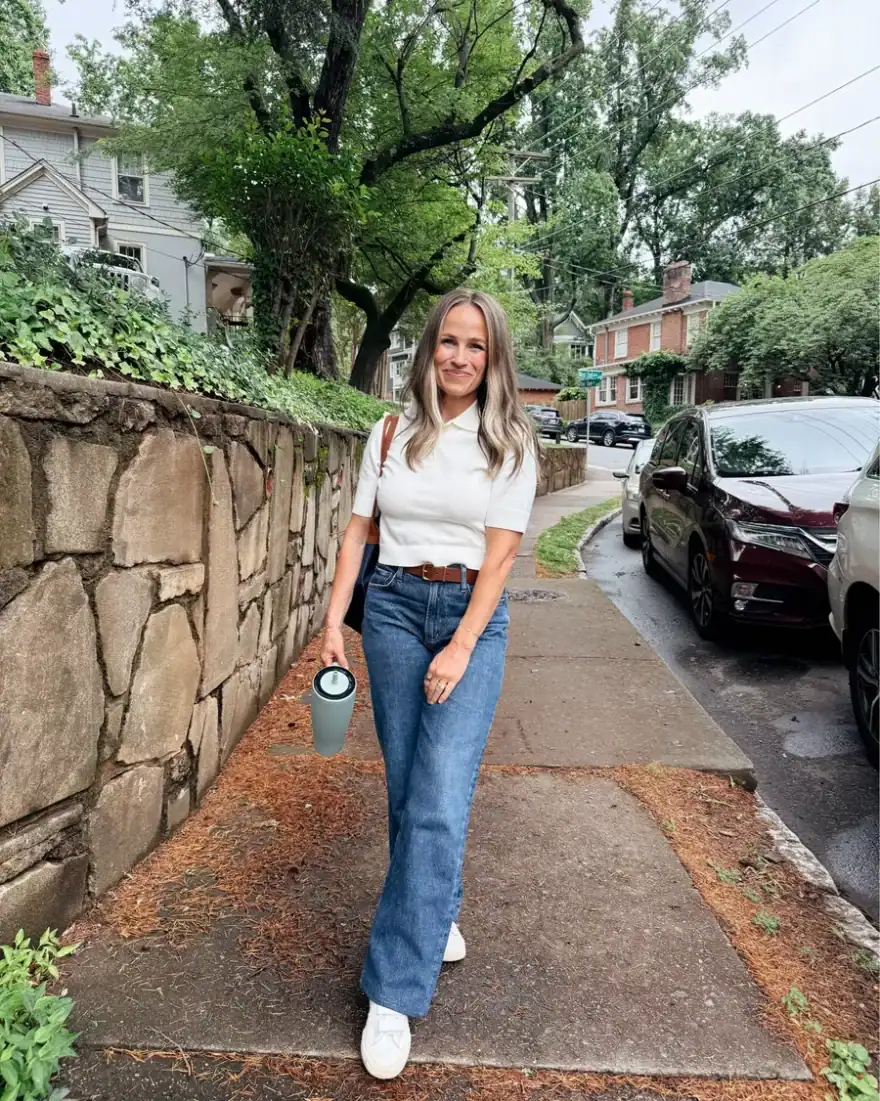
  • Does Coconut Oil Go Bad? Everything You Need To Know

    Coconut oil has become a kitchen staple for everything from sauteing vegetables to skin care. But that big jar you bought months ago has been sitting in the back of your pantry, and now you’re wondering: Does coconut oil go bad?

    The short answer: Yes, coconut oil can go bad. The good news is that it has one of the longest shelf lives of any cooking oil in your kitchen. With proper storage, virgin coconut oil can last up to three years, and sometimes longer.

    Here’s everything you need to know about coconut oil shelf life, how to spot spoilage, and the best way to store it.

    Key Takeaways

    • Coconut oil does go bad, but it has an impressively long shelf life of up to 2 to 3 years for virgin coconut oil when stored properly.
    • No refrigeration needed. Store it in a cool, dark pantry away from heat and light.
    • Rancidity is the main spoilage risk. Trust your nose. Rancid coconut oil smells sour, stale, or musty.
    • Solidifying is normal. Coconut oil turns solid below 76 degrees F and liquid above it. This is not a sign of spoilage.
    • Type matters. Virgin (unrefined) coconut oil lasts longer than refined coconut oil due to its natural antioxidants.

    How Long Does Coconut Oil Last?

    Coconut oil’s high saturated fat content, which is over 80%, is what makes it so shelf-stable. Saturated fats are far more resistant to oxidation than the unsaturated fats found in oils like olive or vegetable oil, according to research published by the National Institutes of Health.

    The type of coconut oil you have makes a meaningful difference in how long it lasts:

    Type Pantry (Unopened) Pantry (Opened) Refrigerator
    Virgin / Unrefined Coconut Oil 2 to 3 years 2 to 3 years 3 or more years
    Refined Coconut Oil 12 to 18 months 12 to 18 months Up to 2 years

    Note: These are quality guidelines based on proper storage. Always use your senses (smell, color, and taste) as your final check.

    Always check the “best by” date on the label as a starting point, but remember that date reflects peak quality, not safety. Coconut oil that is a few months past its best-by date may still be perfectly fine if it has been stored well and shows no signs of spoilage.

    Refined vs. Virgin Coconut Oil: Why the Shelf Life Differs

    Virgin (unrefined) coconut oil is cold-pressed from fresh coconut meat with minimal processing. This preserves its natural antioxidants, specifically phenolic compounds that actively slow the oxidation process. It has a mild coconut aroma and flavor and the longest shelf life of the two types.

    Refined coconut oil is pressed from dried coconut meat (copra) and goes through additional processing steps including bleaching and deodorizing. This strips out many of the natural antioxidants that protect against rancidity, shortening its shelf life to 12 to 18 months. The trade-off is a neutral flavor and higher smoke point, making it better suited to high-heat cooking.

    In short: if long-term storage matters to you, virgin coconut oil is the better choice.

    Signs That Coconut Oil Has Gone Bad

    When to Throw It Out

    The primary spoilage risk for coconut oil is rancidity, a chemical process where fats break down after prolonged exposure to oxygen, heat, or light. According to the FDA, proper storage is the key to preventing premature spoilage in shelf-stable oils.

    Smell: This is your most reliable test. Fresh virgin coconut oil smells mildly sweet and coconutty. Refined coconut oil should smell neutral. Rancid coconut oil smells sour, stale, musty, or unpleasant. If something seems off, trust your nose.

    Taste: Fresh coconut oil tastes mild and clean. Rancid oil tastes bitter or soapy. If the smell passed but taste seems off, discard it.

    Color: Pure coconut oil is bright white when solid and clear to pale yellow when melted. If it looks noticeably yellow or tan when solid, or murky and dark when liquid, that can indicate spoilage or contamination.

    Texture: Coconut oil should be smooth. A chunky, curdled, or inconsistent texture when at the same temperature as usual can signal it has turned.

    Mold: Rare, but possible if water has gotten into the jar from a wet spoon or hands. Visible mold means discard the entire jar immediately.

    What is NOT a sign of spoilage: Coconut oil solidifying, turning bright white, appearing streaky, or becoming grainy after temperature changes is completely normal. It melts and re-solidifies repeatedly with no quality loss.

    How to Store Coconut Oil Properly

    Storage Best Practices

    Keep it away from heat. The stove, oven, toaster, and sunny windowsills are all enemies of coconut oil. Heat accelerates oxidation. Store it in a cabinet or pantry that stays relatively cool, ideally below 75 degrees F.

    Keep it away from light. UV light degrades fats over time. If your coconut oil came in a clear jar, store it inside a closed cabinet rather than on an open counter shelf. Dark glass containers are ideal for long-term storage.

    Always use a clean, dry utensil. Introducing moisture or food particles into the jar is the fastest way to invite mold and speed up spoilage. Never use a wet spoon or your fingers to scoop.

    Keep the lid tight. Oxygen is the primary driver of rancidity. Seal the jar firmly after every use and wipe the rim clean before closing.

    Don’t pour used cooking oil back in. Oil that has been heated for cooking has already been exposed to high heat and may carry food particles. Keep your storage jar separate.

    Can You Use Coconut Oil Past Its Best By Date?

    Often, yes, especially for virgin coconut oil. “Best by” dates on coconut oil are manufacturer quality estimates, not safety cutoffs. The FDA does not require expiration dates on oils, and a properly stored jar that smells, looks, and tastes normal is generally still good to use.

    That said, the older oil gets, the more its flavor and nutritional properties decline. For cooking, coconut oil that passes the smell test is typically fine. For skin and hair use where you want full potency, fresher is better.

    Frequently Asked Questions

    Why did my coconut oil turn yellow?

    Some high-quality virgin coconut oils have a natural pale yellow tint from their antioxidants. However, if your oil was previously white and has turned noticeably yellow, tan, or discolored, this may signal early rancidity or contamination. The smell test is your most reliable confirmation. If it smells fine, it is likely still good.

    My coconut oil has streaks or an uneven texture. Is it bad?

    No, this is completely normal. Streaks, graininess, or an uneven marbled texture happen when coconut oil has gone through multiple melt-and-resolidify cycles at slightly different temperatures. It is a cosmetic issue only and has no effect on quality or safety.

    Can rancid coconut oil make you sick?

    Rancid oil is not acutely toxic in small amounts, but it is not good for you. Rancidity produces free radicals and harmful compounds that may contribute to oxidative stress in the body. Regularly consuming rancid oil is something to avoid. If your coconut oil smells or tastes off, replace it.

    How long does coconut oil last for skin and hair use?

    The same shelf life guidelines apply whether you use coconut oil in the kitchen or in your beauty routine. For topical use, be slightly stricter and apply the sniff test before each use. Degraded oil will not deliver the moisturizing and protective benefits you are looking for.

    Can you freeze coconut oil to extend its shelf life?

    Yes. Frozen coconut oil becomes very hard and will need time to thaw before use, but freezing is a good option if you have bought in bulk and won’t use it for an extended period. Store in a well-sealed, freezer-safe container and label it with the date.

    Further Reading

    The post Does Coconut Oil Go Bad? Everything You Need To Know appeared first on Better Living.