
Category: Uncategorized

  • CHARLOTTE SANDS ON “SATELLITE”: SELF-TRUST, EXPERIMENTATION, AND A NEW CHAPTER

    CHARLOTTE SANDS ON “SATELLITE”: SELF-TRUST, EXPERIMENTATION, AND A NEW CHAPTER


    story / Jesse Roth

    photos/ Juan Flores


    Charlotte Sands is striking. The electric blue hair might be the first thing you notice, but it is the way she speaks, thoughtful, self-aware, and completely unfiltered, that keeps you hanging on every word. Originally from Nashville, Sands has built her career in the world of alternative rock while never quite fitting neatly into one box, something that feels reflected in both her music and her personality. As someone who occasionally dyes the tips of my hair bright colors for a month each summer before inevitably chopping it back into a blunt bob, I went into our conversation already a little enamored with how effortlessly cool she seems. Any intimidation quickly disappeared once we started talking, beginning with a shared appreciation for the oddly quaint suburban pockets of Los Angeles’ San Fernando Valley. Charlotte laughed, admitting, “I never thought I’d be a suburbs girl.”

    That mix of confidence and self-reflection runs through Satellite her new album, which finds the Nashville-born artist expanding both sonically and emotionally. Written after years of constant touring and the release of her first full-length album “can we start over?”, “Satellite” captures a different chapter for Sands: one defined by stability, experimentation, and a growing trust in her own instincts. When we spoke, we covered everything from meticulous promotion strategies and genre fluidity to Pinterest vision boards and the quiet confidence that comes with finally creating music on your own terms. 

    Would you say you’re more Type A or Type B when it comes to promoting your album?

    I think I’ve definitely become more Type A over the last few years. I genuinely don’t think I was ever like that before, but it became necessary in my career to learn those skills. Now I love a strategy. I love an Excel sheet. If I could have a slideshow or a Venn diagram of every possible thing, that’s heaven to me. I have pretty intense ADHD, and sometimes the only way I can function is by being overly organized. Everything is like a yarn map in my head. There’s a switch between my creative brain and my business brain, and I’ve learned how to use both.

    You wrote “Satellite” after putting out your first full-length album and doing a lot of touring. How much of the aftermath of that period made its way into the process of making this album?

    It was interesting because it was the first time I had ever taken real time off from touring. While writing this album, I was actually stable in my normal life and not traveling constantly. I was in a consistent environment, which I had never really had in the last five years.

    I also had to learn a new skill. When you’re used to being busy and overstimulated all the time, your body almost stays in reaction mode. You’re constantly thinking, “What’s today going to bring?” Sometimes it’s easier to create from that state of panic than from peace and calm. I had to relearn how to be a writer and figure out how to find inspiration without the chaos. I think it’s just part of getting older.

    Your last album title was a question — “can we start over?” — whereas “Satellite” feels very strong and declarative. What’s something you used to question that now you feel more solid about?

    During the last project and that phase of my life, I felt like I constantly had to prove myself. As a woman in rock music especially, people are always looking for ways to discredit you — your skills, your work, even your character.

    I felt like I needed to prove that I deserved to be here, that I could actually sing, that people should take me seriously. I was always thinking about whether other people would like something or respect it.

    Now I feel much more confident experimenting and making different choices. Ironically, I feel more comfortable collaborating with different people and trying different genres because I’m not constantly worried about proving myself anymore.

    I remind myself that I can’t create something meaningful for other people unless I’m doing right by myself first. The best music comes from giving myself the freedom to trust my instincts. I owe that to the fans who have been here since day one — the people buying the tickets and the merch. The best way I can give back to them is by making the best music I possibly can, and that only happens when I stop listening to everyone else all the time.

    Fluidity of genre is something that consistently appears in your work. Is that something you’re consciously thinking about when you’re making music? For example, did you go into “HUSH” thinking, “I’m going to make a dance song”?

    That song is actually funny because I fully wrote it thinking it would be a pitch song. We had been writing heavier, more emotional songs for the album and I was honestly burnt out from digging so deep into myself.

    So I said, “Let’s just write something fun. I have this random chorus and it would be fun to write a dance song.” Immediately the guys I was working with were like, “You have to cut this. It’s so catchy.”

    But I couldn’t see it at first. I genuinely thought I would never put it out because it didn’t feel like it made sense for me. Then my producer Keith, who worked on most of the album, recorded live drums over the track and sent it back to me. The second I heard it I knew exactly what the song should be.

    Sometimes in a session you know immediately what a song is going to be. Other times you have to sit with it. A lot of the time I’m also thinking about the live show. Where does this song fit in the set? What energy does the show need in that moment? Will I feel excited when I hear the cue for that song in my in-ears? Thinking about the live experience really helps guide the production and the energy of the songs.

    Your songs move between confident, almost audacious moments and darker, more vulnerable ones. Which lane are you more comfortable writing in?

    Honestly, it’s much easier for me to write sad or emotional songs. This is actually the first album where I feel like there are multiple happy songs.

    When I’m writing in my journal, it’s usually about the things I don’t want to carry around inside my body anymore. Writing a song about those feelings lets me create a place for them to live outside of myself. That feels very natural.

    Trying to explain happiness can be harder. Sometimes those feelings feel more private, like something I want to hold onto instead of dissecting.

    With this album, though, I wanted it to feel like the full human experience. I wanted every emotion to exist somewhere in the project so that hopefully everyone can find at least one song that speaks to them on any given day.

    Which song came together the fastest?

    Probably “Sunday.” That was another moment where we just completely let go in the session. I knew I wanted an acoustic song, and I had been listening to artists like Sheryl Crow, Michelle Branch, Bonnie Raitt, and Dido.

    We started playing around with some guitar chords, and I went into the vocal booth and basically made up sounds and phrases on the spot. Most of the lyrics came from those first takes. We kept them because the whole point of the song was capturing a feeling instead of overanalyzing it. It was very low pressure. It felt like the first thing we said was the right thing.

    Which song required the most care to get right?

    Water Me Down.” That was one I felt like I had to be very careful with because I wanted it to be accurate to my experiences. It’s something I’ve wanted to write about for a long time.

    I think a lot of women can relate to being in relationships where someone slowly tries to make you smaller. You see it happen with friends, you see it happen to yourself, and it’s strange how the things people first love about you can eventually become the things they resent.

    It’s a complicated emotion, but I felt like if I didn’t include that song I would be doing a disservice to people who might hear it and recognize that experience in themselves. I’m really glad it ended up on the album.

    How do you choose which songs to release as singles?

    I try to choose songs that represent different sides of the album. “Push” shows the more electronic pop side. “Afterlife” leans into the acoustic, songwriter part of me, which is the kind of music I grew up listening to.

    Even when I’m writing rock music, I never feel like I’m only one thing. I’m always both of those sides at once.

    Then there’s “Neck Deep,” which has the heavier rock elements mixed with electronics. I wanted the singles to give people a small preview of all the different directions the album goes in.

    I know you’re a Pinterest person, and so am I. What did the vision board for this album look like?

    This process was really different from the first album. With that record, everything fell into place immediately. We wrote the first five singles in five days. I had been waiting so long to make my first album that everything just felt obvious.

    This time it was much harder. I had all the music finished but couldn’t settle on visuals or artwork. Every song felt like it lived in a completely different universe.

    Eventually I thought maybe I should start at the end of the process instead of the beginning. So I went to the place where we normally customize vinyl and started looking at colors. I found this dark olive green vinyl with black in it and immediately thought, “That’s the album.”

    Green is grounding for me and it’s also my favorite color. From there I worked backwards, connecting visuals and references for each song like one of those detective boards with string connecting everything.

    It was a really valuable lesson. Just because you feel stuck doesn’t mean you are. Sometimes you just have to find a different pathway to your creativity.

    When during this process did you move from Nashville to Los Angeles?

    That was in 2024. At the end of that year we had written a few songs, including “Satellite,” which always ends up becoming the title track somehow.

    I went back to Nashville for a while and felt really stuck creatively. I was doing the same things every day and going to the same places every weekend. I realized I didn’t feel inspired there anymore.

    So I moved to LA because I needed to be somewhere that felt constantly changing. I’m so used to touring and meeting new people and having new conversations every day. I thrive on that energy.

    It was also a challenge to myself — starting over in a new city, building a new friend group, turning my relationship into long distance by choice. I wanted to take a risk on myself while I still felt hungry in my career.

    That experience gave me a lot of confidence while making the album. I felt proud of myself for making that leap, and it pushed me to create exactly what I wanted.

    What do you hope listeners take away after hearing “Satellite” for the first time?

    I hope people realize that human beings have so much depth and that we’re never just one feeling. Even when you feel stuck in something, there are always other parts of you existing at the same time.

    Feeling deeply is a superpower. Feeling empathy for other people is a superpower.

    If someone listens to the album and realizes they can experience all these emotions and still end up somewhere peaceful — like the feeling at the end of “Sunday” — that would mean a lot to me.

    More than anything, I hope listeners feel like they have a friend in the music. Even if they don’t know me personally, maybe the songs help them put words to something they’ve felt before. We’re all trying to figure life out, making mistakes and getting better along the way. Even when we feel far apart from each other, we’re still orbiting in the same space. That’s the whole idea behind “Satellite.”

    Talking with Charlotte Sands made it clear that “Satellite” represents more than just a new collection of songs. It reflects an artist learning how to balance ambition with self-trust, structure with instinct, and vulnerability with confidence. Sands approaches her work with both the meticulous organization of someone who loves a spreadsheet and the emotional openness of someone unafraid to write about the messy, complicated parts of being human. That duality runs throughout “Satellite,” an album that moves between cathartic rock, glossy pop moments, and softer reflections without ever losing its center. If Sands’ goal was to capture the full spectrum of feeling and remind listeners that we are all navigating life’s orbit together, “Satellite” succeeds beautifully.


    CONNECT WITH CHARLOTTE SANDS

    INSTAGRAM


    The post CHARLOTTE SANDS ON “SATELLITE”: SELF-TRUST, EXPERIMENTATION, AND A NEW CHAPTER appeared first on LADYGUNN.
  • Proof of Brotherhood

    By any football metric, Mike and Maurkice Pouncey have already secured their place in history: national champions at the University of Florida, first-round NFL draft picks, perennial Pro Bowlers, franchise anchors for the Pittsburgh Steelers and Miami Dolphins. Last December, Maurkice’s induction into the Steelers Hall of Fame felt like a punctuation mark.

    Instead, it was a pivot.

    “Football was always going to end,” Maurkice says. “We knew that. So we planned for what was next.”

    What’s next, it turns out, tastes like charred oak and caramel.

    Twin P Whiskey, the brothers’ venture with Miami-based Tropical Distillers, is aged 53 months in char #4 barrels, a detail that signals seriousness from the outset. It leans warm and structured, opening with vanilla and toasted oak, layered through with caramel richness and a gentle thread of baking spice. The sweetness is honeyed but restrained, brightened by a subtle citrus lift and a whisper of coconut before settling into a smooth, lightly smoky finish.

    The overall impression is smooth yet robust, approachable but quietly complex — clean oak, light spice, and a finish that lingers without overpowering. Balanced. Deliberate. Structured.

    If that profile feels familiar, it’s no coincidence.

    The Pounceys built their NFL reputations on consistency and control. They were not flashy linemen; they were dependable ones. Twin P reflects that same temperament. It doesn’t overwhelm. It doesn’t chase novelty. It holds its line.

    “We’re not trying to just put our name on something,” Mike says. “If we do it, it has to be right.”

    That insistence shaped their partnership with Tropical Distillers. The brothers were drawn to the craft focus and Florida roots, aligning with a team that understood small-batch discipline and long-term vision. For the Pounceys, ownership matters. So does legacy.

    “We built our journey with much struggle and hustle along the way,” they’ve said of their path from Florida to the NFL. That same long-game mindset now guides their business decisions — patient, measured, and rooted in something real rather than rushed.

    Whiskey, after all, rewards restraint. Barrels sit quietly for years before they’re ready. Flavor deepens in darkness. The final pour reflects time, pressure, and environment — much like two brothers who matured under stadium lights.

    Twin P is versatile: neat for purists, on the rocks for slow evenings, or in a clean Old Fashioned that allows its caramel warmth and subtle spice to speak clearly. It invites conversation rather than spectacle.

    The Pouncey twins have already proven themselves on the field. With Twin P Whiskey, they’re proving something else entirely — that legacy isn’t just about rings and records. It’s about what you build when the crowd goes home.

    Bold yet balanced. Smooth but grounded. Built on brotherhood.

    The post Proof of Brotherhood appeared first on Lifestyle Media Group.

  • Beyond Hall & Oates

    Photography by Jason Lee Denton

    Before there was streaming, before there were “legacy acts,” there was Hall & Oates—a duo that quietly became one of the most successful partnerships in rock history. More than 80 million albums sold. A string of indelible hooks. Induction into both the Rock & Roll Hall of Fame and the Songwriters Hall of Fame. Songs that have long since outgrown the decade that birthed them.

    For John Oates, that legacy is both a gift and a gravitational force. The name carries stadium-sized expectations. And yet, in the decades since those massive hits first climbed the charts, Oates has been charting something more personal.

    On his current tour, he arrives not as a nostalgia act but as a working musician with a new band and a point of view.

    He understands the shorthand.

    “I’m very aware that many folks only know me from the massive hits from the Hall & Oates catalog. While I love those songs and am very grateful for the commercial success I’ve had over the years with Daryl Hall … I’ve moved on creatively. I’ve recorded nine solo albums since 2000 that really show who I am as an individual, but of course I always play a few fan favorites. Make no mistake, my live show is not half of a Hall & Oates show.”

    That distinction matters. The current run of performances will include familiar favorites, but it also reflects the evolution of an artist who, beginning in the early 2000s, found himself drawn south to Nashville.

    “My move to Nashville was super important to helping me reconnect with my early musical DNA. Working with the superstars of the Americana genre has really upped my game instrumentally, and collaborations with some of the world’s best songwriters have broadened my writing style and quality. Now I draw from some of my first influences from the roots of rock ’n’ roll to traditional folk, R&B, and everything in between.”

    It is less reinvention than return. The gloss of arena pop has given way to something earthier, rooted in traditional folk, early rock and roll, and rhythm and blues. If the Hall & Oates catalog was built for radio dominance, the solo work feels built for musicianship—tight arrangements, lived-in vocals, collaboration as craft.

    Florida, he notes, has always felt like a home base of sorts.

    “Over the years Florida has always been one of my favorite places to play. I have lots of friends who live all over the state, and I always look forward to coming back.”

    That connection makes sense. Many of the fans who grew up with his records spinning in New York, Philadelphia, and the Northeast now fill concert venues across South Florida, bringing with them decades of memory tied to the songs.

    Those memories trace back to Philadelphia, where Oates’ musical education began long before platinum plaques.

    “When I was a teenager I would go to dances hosted by the legendary DJ Jerry Blavat, as well as going to the R&B shows at the Uptown Theater. But more importantly listening to the great Philly radio stations such as WDAS, WHAT, WIBG, and later the underground FM station WMMR.”

    Those stations, those dance floors, those R&B revues formed the blueprint. The elasticity between rock, soul, and pop was never a marketing strategy; it was simply the soundtrack of his youth.

    Now that elasticity defines The Good Road Band, the lineup joining him on tour.

    “This is my new GOOD ROAD BAND with some old friends and some new friends. They are amazing players and singers, and we can do so many styles. It’s really amazing and so much fun. John Michel drums & vocals, Seth Cook guitar & vocals, Marc Rogers bass, and Kevin McKendree keyboards.”

    It reads less like a press statement and more like a musician genuinely energized by the people onstage beside him. The emphasis is on style, range, and the pleasure of playing.

    The show delivers what audiences expect—rock, soul, funk, R&B, the architects performing their own blueprints. But Oates’ set, by design, is also a reminder that legacy is not a museum piece.

    The hits built the house. The good road, still unfolding, is where he lives now.

    The post Beyond Hall & Oates appeared first on Lifestyle Media Group.

  • What Are Your Favorite Under-the-Radar Movies?

    What Are Your Favorite Under-the-Radar Movies?

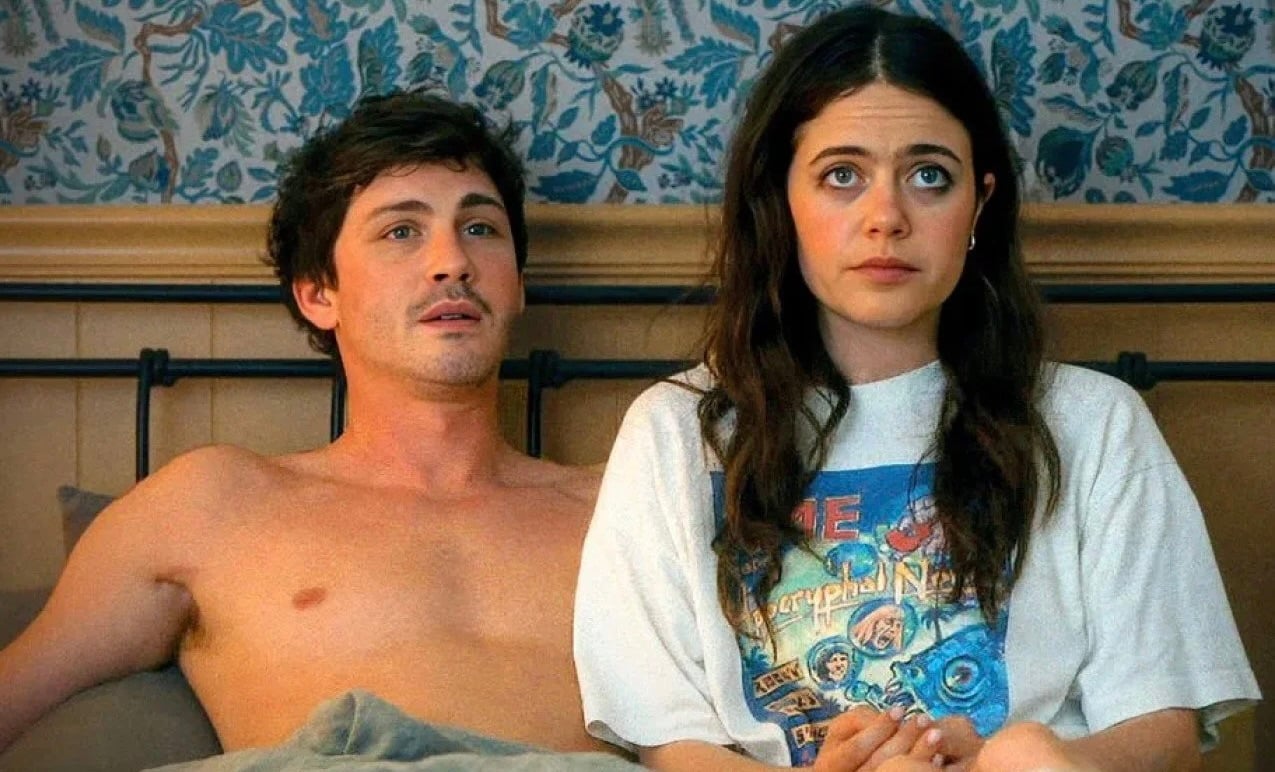
    oh hi movie

    This weekend, I caught a patented cold-and-cough combo from my kids. While recovering, I sucked on French lozenges and turned on a movie…

    Have you seen Oh, Hi?… Read more

    The post What Are Your Favorite Under-the-Radar Movies? appeared first on Cup of Jo.

  • Migraine!

    Migraine!

    Major pain in the head.

    In women and gents.

    Giving them a hard time always.

    Resting all day long in bed.

    As it’s required to be helpful.

    In this awful situation.

    Nausea is the symptom.

    Explaining this condition!

  • The Galleria Reimagined

    On any given afternoon, Fort Lauderdale’s Galleria feels suspended between eras. Macy’s and Dillard’s remain steady. The Apple Store is packed. A handful of restaurants still fill tables. But beyond the polished storefronts, expansive corridors sit quiet, a reminder that the American mall, once the epicenter of suburban aspiration, is now negotiating its future.

    Two South Florida developers believe they have an answer.

    A joint venture led by Miami-based GFO Investments, founded by Russell Galbut, and Fort Lauderdale–based InSite Group, led by founder and CEO Ben Shmul, has unveiled an ambitious plan to transform the 31.5-acre property on East Sunrise Boulevard into a mixed-use residential community. The group acquired the mall for a reported $73 million last year and, in August 2025, applied to the City of Fort Lauderdale for a development permit. As of editorial closing, the permit remains under review.

    The proposal is sweeping: eight 30-story residential towers, two of which are attached and sometimes counted separately in renderings, totaling 3,144 rental apartments. Plans also include a 170-room hotel, new restaurants, retail and office space, and more than 4,700 parking spaces.

    In their application, submitted under FLL Galleria Holdings LLC, the developers acknowledged the mall’s past prominence. While it “was a premier regional destination” for decades, they wrote, “the rise of e-commerce, shifting consumer preferences, and the loss of key anchors now necessitates the repositioning of the Property from a retail model to a vibrant mixed-use residential community, ensuring the long-term viability of the mall.”

    The sentiment reflects a broader national reality. Retail alone no longer sustains the traditional mall. Across the country, survival requires reinvention: residential density, hospitality, entertainment, and layered commerce.

    The development team also includes Atlas Hill Real Estate, Prime Finance, and Centennial, which will manage and market the mall.

    From Fashionable to Fading

    Originally built in 1954 as an open-air shopping center before evolving into its enclosed form in the 1980s, the Galleria once defined regional retail glamour. Neiman Marcus, Lord & Taylor, Saks Fifth Avenue. Those names signaled arrival. Over time, that cachet eroded. Occupancy now hovers around 60 percent, and the mall has reportedly been losing money for years.

    Despite periodic upgrades, the once-thriving food court has dwindled. Large portions of the eastern end remain vacant. The redevelopment aims to do more than polish. It intends to reposition the property entirely.

    While developers have not disclosed a precise price tag, a representative described it as a “multi-billion dollar investment.” The economic implications are substantial: thousands of construction jobs, demand for materials and equipment, and long-term commercial activity tied to hospitality, retail, and residential growth.

    The Live Local Question

    The plan also arrives wrapped in legislation.

    The proposal was submitted under Florida’s Live Local Act, which promotes affordable housing and limits municipal discretion over qualifying projects. Of the 3,144 proposed rental units, 1,273 would be designated workforce housing and 1,841 market rate. To qualify, at least 40 percent of units must be rented to households earning at or below 120 percent of the area median income. According to the city, in 2025, that figure for a family of four in the mall’s surrounding neighborhoods was $96,200.

    Still, the Live Local mechanism has unsettled nearby residents in Coral Ridge and Sunrise Intracoastal. They cite concerns about worsening traffic along Sunrise Boulevard, infrastructure strain, and potential impacts on property values. Some fear the scale alone—nearly 3,200 new units—could shift the surrounding area from a primarily low-rise enclave to a far denser urban corridor.

    Fort Lauderdale Mayor Dean Trantalis has acknowledged the tension. While most projects undergo extensive municipal review and public hearings, Live Local narrows that pathway.

    “To add almost 3,200 units to this site raises a lot of questions,” he said. “Live Local pulled the rug out from under us. It ties our hands. It doesn’t allow our neighbors a say in what is being built.”

    Currently, the developers’ proposal remains under review by the city’s Development Services Department.

    “There are a number of boxes that need to be checked to ensure that the developer’s application complies with the state statutes,” Mayor Trantalis told Lifestyle. He suggested that the developers might be considering switching some rental units to condominiums to improve the project’s economics. “I’m hopeful it will be a wonderful project.”

    Local resident Abby Laughlin, an artist, activist, and small-scale real estate developer, worries momentum may outpace scrutiny.

    “They’re moving ahead at full speed,” she said. “I hope the project is above board and respectful to the city and its residents. It seems the city can only change technical items like setbacks, stormwater, and landscaping. The devil is in the details.”

    A Different Vision

    The development team frames the project differently.

    Stephanie J. Toothaker, an attorney for the group, called the redevelopment “a huge win for Fort Lauderdale. This is a major investment that will create jobs, boost the local economy, supply needed housing, and build a new social and economic center in the city.”

    She noted that some residents may both live and work on site, potentially mitigating traffic concerns. “The developers will work with the city. As with every project, there are growing pains. As a lifelong resident of Fort Lauderdale, I’m incredibly excited about this development.”

    Many in the local business community see the renovation as a significant economic catalyst.

    “The Galleria redevelopment builds on recent investments like the Convention Center expansion, OMNI Fort Lauderdale Hotel, and Pier 66,” said Bob Swindell, President and CEO of the Greater Fort Lauderdale Alliance. “In the near term, it will generate construction jobs and economic activity. Over time, it strengthens our tax base and expands attainable housing, supporting a more inclusive local economy.”

    For now, the proposal remains under review by the city’s Development Services Department.

    If approved, the Galleria’s reinvention will do more than remake a shopping center. It will test how Fort Lauderdale balances growth with preservation, density with neighborhood character, and ambition with community voice. The mall once symbolized arrival. Its next act may define a city’s future.

    The post The Galleria Reimagined appeared first on Lifestyle Media Group.

  • SHAPESHIFTER

    SHAPESHIFTER

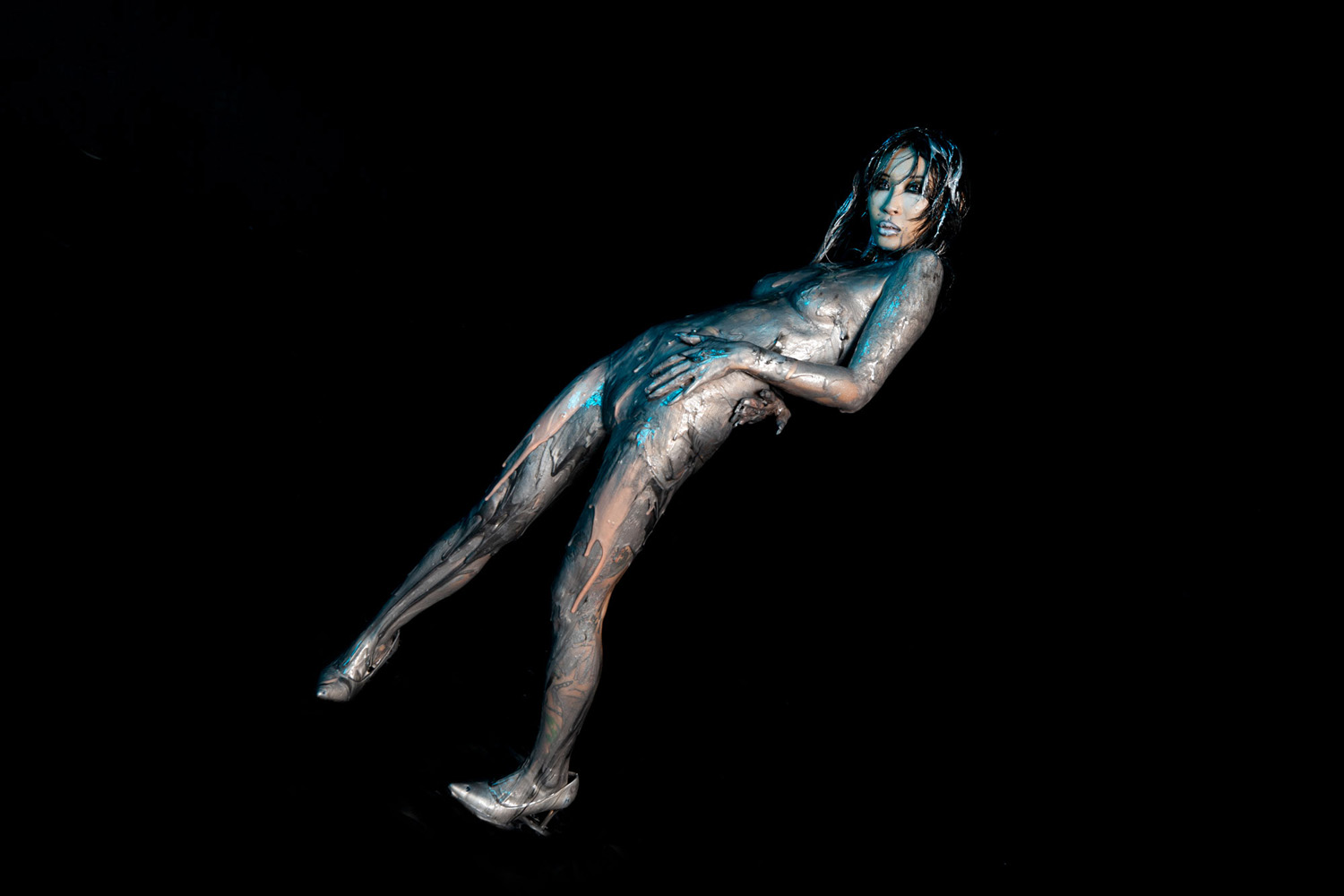
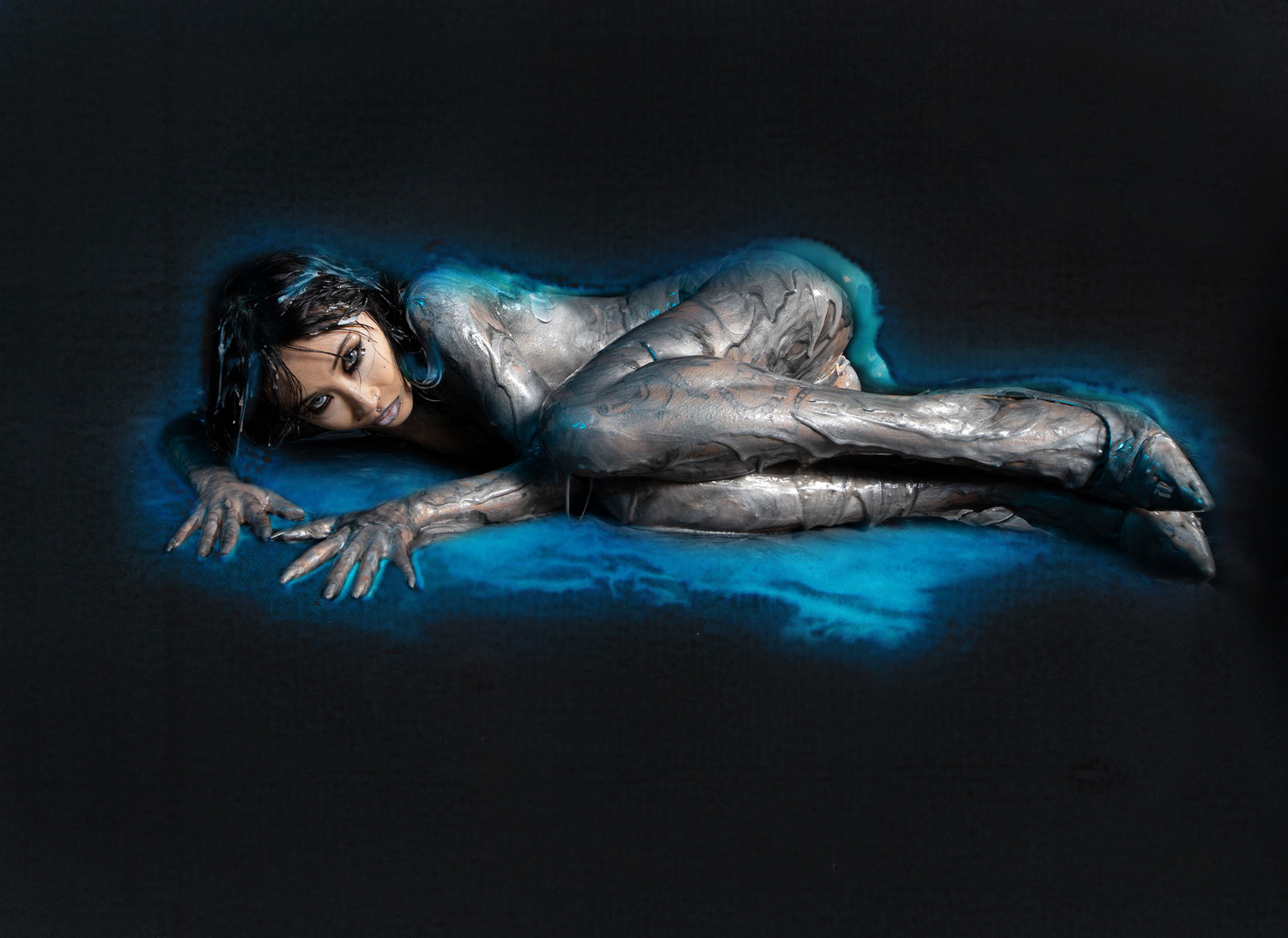
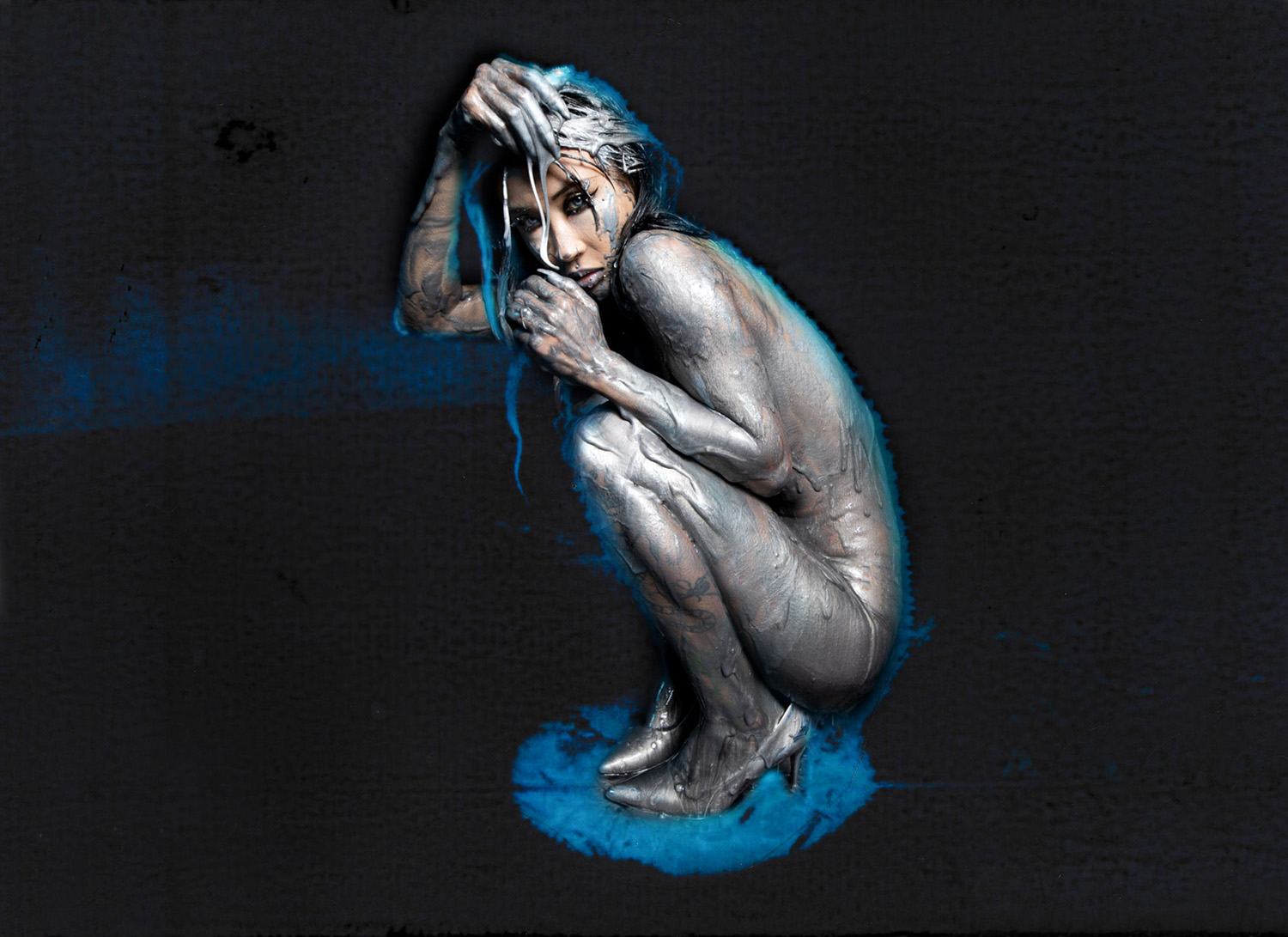
    Photos/CD: Aqua Rose @aquarosephoto x @mulletxbarbie

    Model: @mengtiian

    MUA: @mulletxbarbie 

    MUA Assists: @_d_zoe_d_

    Photo Assist: @chribun

    Production Assist: @stephrommelt

    The post SHAPESHIFTER appeared first on LADYGUNN.
  • Minneapolis Salted Butter Pancakes

    Minneapolis Salted Butter Pancakes

    salted butter pancakes from ideal diner Minneapolis

    When it comes to pancakes, I tend to stick with the basic styles — buttermilk, Bisquick, banana — and my general take is that if you don’t over-mix and you keep an eye on your burner, you’ll be great.… Read more

    The post Minneapolis Salted Butter Pancakes appeared first on Cup of Jo.

  • THE FREQUENCY IS HERS: TOLOU ARRIVES WITH “ENERGY” AND SHE’S NOT SHRINKING FOR ANYONE

    THE FREQUENCY IS HERS: TOLOU ARRIVES WITH “ENERGY” AND SHE’S NOT SHRINKING FOR ANYONE


    When I first read the words “Afro-Scandi pop,” I couldn’t help but be intrigued. How is that going to work exactly? Will it even work at all in the first place? Fortunately, Tolou’s vision and talents are both so strong that it doesn’t take very long for the proposal to land and hook you in with her unique energy, and that’s precisely what she named her debut album.

    Energy” is made up of twelve tracks moving between pop, soul, gospel, and Afro rhythms, none of it feeling like fusion because nothing needed fusing. She calls it Afro-Scandi pop.

    Rooted in classical training across opera and jazz and raised leading church choirs, Tolou was discovered by Wyclef Jean in one of those choirs. During lockdown, she taught herself production until the vivid sounds in her head could finally take shape. Influences peek through—Frank Ocean, Burna Boy, Robyn—but they’re signposts, not the destination.

    The point is the title. Energy. What you carry. What you let in. Tolou calls the album a cleanse, a way back to what actually matters, and you believe her because nothing here strains.

    You call your sound “Afro-Scandi Pop.” What helped you conceptualize and synthesize this blend? Any inspirations and references to point to? 

    It really grew out of who I am—two cultures living inside one body. On one hand, I was raised with the pulse of African music, the rhythm, the storytelling, the soul. Artists like Wizkid, Burna, and Fela gave me my roots. On the other hand, Northern Norway gave me silence, space, and this haunting kind of beauty. I think that’s where the softness and melancholy come in. Afro-Scandi Pop, to me, is what happens when warmth meets stillness… It’s a blend I didn’t invent—I grew into it naturally.

    You have called the album a coming-of-age story. Which track feels like the pivotal chapter where you truly understood yourself? 

    Definitely “Unwind.” That was the moment I stopped hiding. It’s about letting my light spill out without apology—the softness, the sensuality, the joy. As women, we’re often told to tuck those parts away. But that song was me saying, No more shrinking. I’m allowed to be gentle and powerful, playful and grounded. That track was like giving myself a permission slip to be all of me.

    Beyond sound, what does Afro-Scandi Pop represent for you as a way of moving through the world?

    Freedom. It’s a way of being that says contrast doesn’t have to cancel itself out—it can dance. I don’t need to choose between this or that, soft or strong, sensual or spiritual. I can be all of it. Afro-Scandi is about trusting your full self, even the parts that seem like opposites, and making harmony from them. That’s how I live.

    Stepping into full creative control during the pandemic was a profound shift. How has that changed the way you approach collaboration now? 

    Whew—it changed everything. That season made me sit still with my own voice. No noise, no distractions, just me. I learned to trust my instincts, even the quiet ones. So now when I collaborate, I don’t come in trying to prove anything. I come in already rooted, already clear. It’s not about approval; it’s about creative exchange.

    If Energy is meant to function as an energy cleanse, where is that cleansing most potent?

    It starts right at the beginning with the title track, “Energy.” That song is a ritual. It’s me calling in what I want, clearing out what I don’t. Then the whole album kind of unfolds like my inner diary—full of doubt, light, softness, strength, and finally, peace. By the time we get to “Coco,” it’s like exhaling into self-love. That’s where the cleanse lands for me—in the return to self.

    From “Coco” to now, how has the confidence you sing about evolved?

    Mmm, back then, I had confidence that came from spark. Now it comes from depth. Life humbled me a bit; it broke me in places I didn’t expect. But I found God in those moments. I found grace. Now my confidence feels quieter, more anchored. It’s not loud, but it’s unshakeable. I don’t need to be seen to know I’m real.

    Working with legends like Tricky Stewart is a major collaboration. What did you take away from that experience?

    What struck me most was how sacred the space felt. Tricky created this atmosphere where everyone could just be… honest. No ego, no tension. Just flow. He’s intentional, like spiritually intentional—and that reminded me how important the energy in a room is. When the vibe is right, the music just breathes.

    Your classical training is a unique layer. Does it still consciously inform your process?

    It’s in the background, like muscle memory. Classical training gave me discipline, breath control, and a deep respect for the voice as an instrument. But now I let it whisper rather than lead. It gave me the map, and now I wander freely. It’s like… I know the rules well enough to break them beautifully.

    You move between music, acting, and fashion. Are these separate canvases or the same frequency?

    One frequency, just different textures. Music is the heartbeat. Fashion is how I dress the feeling. Acting is me stepping into different versions of myself. It all comes from the same river. I just shift how I pour it.

    What kind of acting roles are you drawn to?

    Ooh, the weird ones! I love characters who surprise you—women who are layered, messy, mysterious, and strong in quiet ways. I’m always pulled toward stories that expand what femininity can look like. More magic, less stereotypes.

    What’s up next for Tolou?

    Honestly? Play. I introduced myself with “Energy”—now I want to stretch. Get weirder. Get louder. Or softer. Collaborate with people who make me feel something. I’m in this season of curiosity… letting my art grow in whatever direction it wants. The foundation is laid; now I’m just dancing on top of it.

    CONNECT WITH TOLOU:

    INSTAGRAM

    The post THE FREQUENCY IS HERS: TOLOU ARRIVES WITH “ENERGY” AND SHE’S NOT SHRINKING FOR ANYONE appeared first on LADYGUNN.
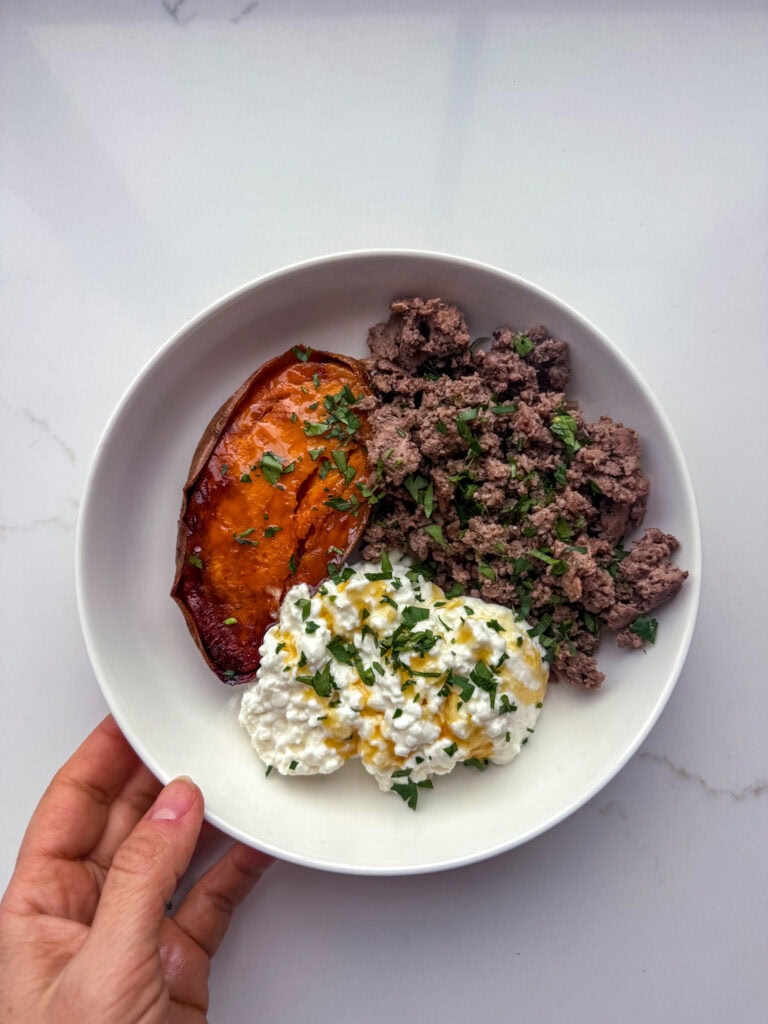
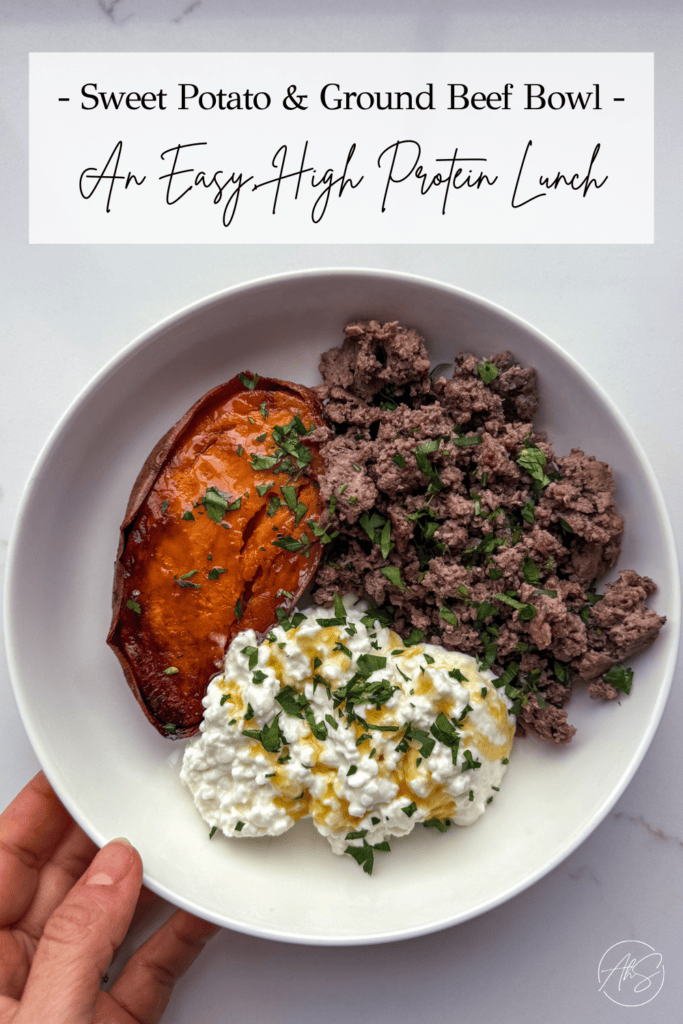
  • Viral Sweet Potato Ground Beef Cottage Cheese Bowl (Easy High-Protein Lunch)

    Viral Sweet Potato Ground Beef Cottage Cheese Bowl (Easy High-Protein Lunch)

    Have you seen the viral sweet potato ground beef cottage cheese bowls popping up everywhere? I’ll be honest, I scrolled right on past this combo for a while because, well, it sounded weird.

    However, I’ve been a little burned out on lunch ideas lately, especially ones that help both David and me hit our protein goals without a lot of effort. I wanted something simple I could make for us, using simple ingredients we already keep around. It turns out that this bowl checks all the boxes: it’s warm, filling, high in protein, and incredibly easy to throw together.

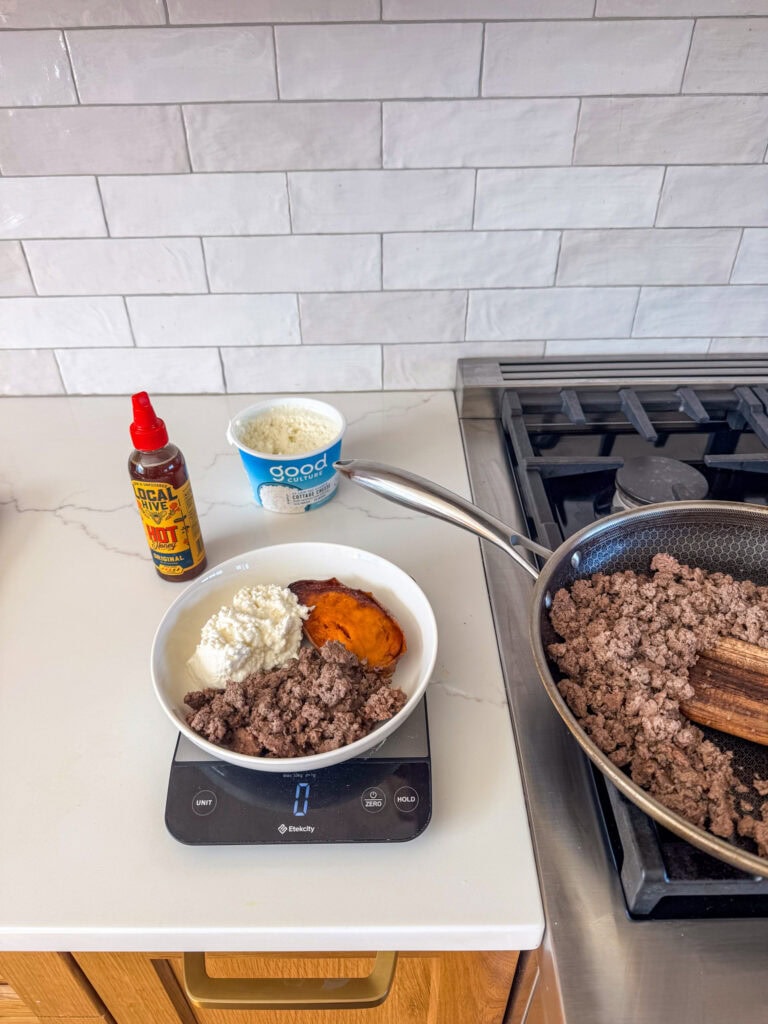
    Being that I’ve been shooting for specific protein goals, I made this bowl using my digital kitchen scale so I could report the macros accurately. Will I use it every time? Probably not, but it helps to get a visual of what I’m going for before switching to eyeballing it.

    And the result? A lunch that’s surprisingly delicious and packed with protein. A true winner worth sharing!


    Why This Bowl Works So Well

    The beauty of this bowl is the balance of flavors and nutrients:

    • Sweet potatoes add natural sweetness and complex carbs
    • Ground beef brings rich flavor and protein
    • Cottage cheese makes it creamy while boosting protein even more
    • Hot honey ties everything together with a little sweet heat
    • Parsley adds some micronutrients and makes it look pretty 😉

    It’s one of those meals that feels cozy and satisfying but takes almost no effort to prepare.


    The Exact Bowl I Made

    Here are the ingredients and measurements I used for my bowl.

    Ingredients

    • 100 g baked sweet potato
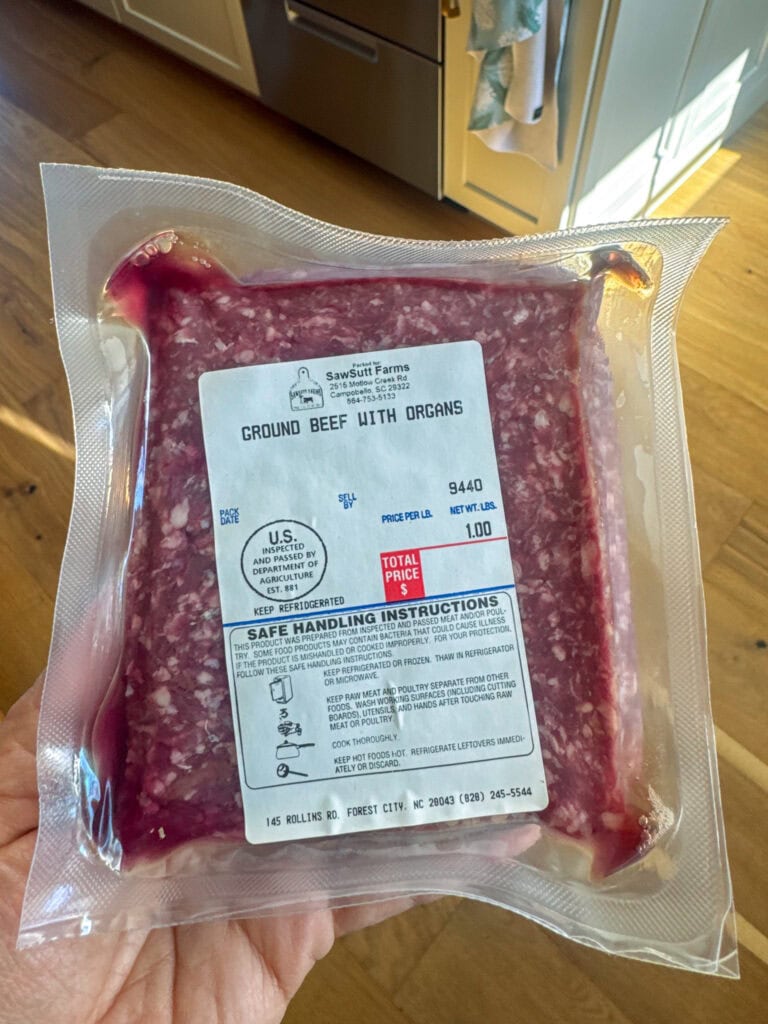
    • 4 oz 80/20 ground beef, cooked
    • ½ cup Good Culture 2% cottage cheese
    • 1 tablespoon Local Hive hot honey
    • Fresh parsley, chopped, for garnish

    Instructions

    1. Bake or microwave a sweet potato until tender. Weigh out 100 g for the bowl.
    2. Cook the ground beef in a skillet with a little salt and pepper until browned and cooked through.
    3. Add the sweet potato to a bowl (lightly mash it with a fork if you want it to cover the base of the bowl, but it looked prettier for pictures this way).
    4. Add the cooked ground beef and cottage cheese to the bowl.
    5. Drizzle with hot honey and sprinkle with fresh parsley.

    That’s it—simple, cozy, and ready in minutes.


    Nutrition Information

    Because I weighed everything using a digital scale and entered it into My Fitness Pal to analyze using specific ingredients, I feel these macros are fairly precise for this bowl:

    • Protein: 46 g
    • Carbohydrates: 41 g
    • Fat: 22 g
    • Fiber: 3 g

    For me, this is a great high-protein lunch that kept me full for hours, especially when paired with a walk outside or a busy afternoon.


    Tips for Meal Prep

    One of the things I love most about this bowl is how easy it is to prep ahead.

    You can:

    • Roast several sweet potatoes at once and keep them in the fridge.*
    • Cook a pound of ground beef and portion it out for a few lunches.
    • Assemble the bowl in just a couple minutes when you’re ready to eat.

    It’s one of those simple meals that makes eating enough protein during the day much easier.

    *For these I tried the method of slicing the sweet potatoes in half lengthwise first (be careful!), rubbing them lightly with olive oil, and sprinkling with salt and pepper. Then placing them cut side down on a parchment-lined baking sheet and roasting at 400°F for about 30–40 minutes, until tender and caramelized.


    Easy Ways to Add More Fiber

    While this bowl is great for protein, you can easily bump up the fiber with a few additions. Because this is the year of fiber, right?! If it is for you, too, make sure you’ve tried my chia seed pudding.

    Try adding:

    • Black beans or pinto beans – about 7–8 g fiber per ½ cup
    • Avocado slices – about 5 g fiber per ½ medium avocado
    • Roasted broccoli or Brussels sprouts – about 4 g fiber per 1 cup
    • Shredded cabbage or slaw mix – about 2 g fiber per 1 cup
    • Pumpkin seeds or sunflower seeds – about 1–2 g fiber per 2 Tbsp
    • Chickpeas or lentils – about 7–8 g fiber per ½ cup

    Print

    Sweet Potato Ground Beef Cottage Cheese Bowl

    5 Stars 4 Stars 3 Stars 2 Stars 1 Star


    No reviews

    • Author:
      Brittany Dixon


    • Prep Time:
      5


    • Cook Time:
      35


    • Total Time:
      40 minutes


    • Yield:
      1 serving


    • Category:
      lunch


    • Method:
      roasting/stovetop


    • Cuisine:
      American

    Description

    This sweet potato ground beef cottage cheese bowl is an easy high-protein lunch made with baked sweet potato, seasoned ground beef, cottage cheese, and hot honey.


    Ingredients

    • 100 g baked sweet potato
    • 4 oz 80/20 ground beef
    • ½ cup Good Culture 2% cottage cheese
    • 1 Tbsp Local Hive hot honey
    • Salt and pepper, to taste
    • Fresh parsley, chopped (optional garnish)


    Instructions

    • Bake the sweet potato until tender.* 

    • Cook the ground beef in a skillet over medium heat until browned and fully cooked. Season lightly with salt and pepper.

    • Add 100 g baked sweet potato to a bowl and gently mash with a fork.

    • Top with the cooked ground beef and ½ cup cottage cheese.

    • Drizzle with 1 tablespoon hot honey and sprinkle with fresh parsley.

    • Serve warm and enjoy.


    Notes

    *I like to bake the sweet potato ahead- cut the sweet potato in half lengthwise, rub with olive oil, sprinkle with salt and pepper, and bake cut side down at 400°F for 30–40 minutes. Let cool and store in fridge until ready to make the bowl.

    You can easily increase the fiber in this bowl by adding black beans, roasted broccoli, avocado, chickpeas, or shredded cabbage.


    Nutrition

    • Serving Size: 1 bowl
    • Calories: 530
    • Fat: 22
    • Carbohydrates: 41
    • Fiber: 3
    • Protein: 46

    Final Thoughts

    If you’re feeling stuck in a lunch rut like I was, this sweet potato ground beef cottage cheese bowl is worth trying. It’s quick, satisfying, and surprisingly delicious for such a simple combination of ingredients.

    And if you’re working on hitting your protein goals, it’s a really easy way to get a big protein boost without spending much time in the kitchen.

    If you try it, let me know what toppings you add—I’m always looking for new variations!